
Este artículo también está disponible en español.
Cartagena de Indias is a city profoundly shaped by the sea. Its history, its economy and its identity have been tied to maritime activity for centuries. Today this relationship takes concrete form in one of the most important port systems in Latin America: the Port of Cartagena, a strategic cluster that connects the country with more than 600 ports in 140 countries and moves more than three million tonnes a year. Its privileged location makes it a key node of global and national trade, contributing close to 2% of national GDP and establishing itself as an engine of regional economic development, according to Analdex’s report on port traffic in Colombia (January to June 2025).
The fieldwork carried out in June 2026 was guided by a simple but powerful question: what is the port from your perspective? The answers from residents, fishers, market traders and lawyers, among other civil society actors, revealed far more than definitions: they laid bare perceptions, largely social tensions and a significant disconnect between the port and the city.
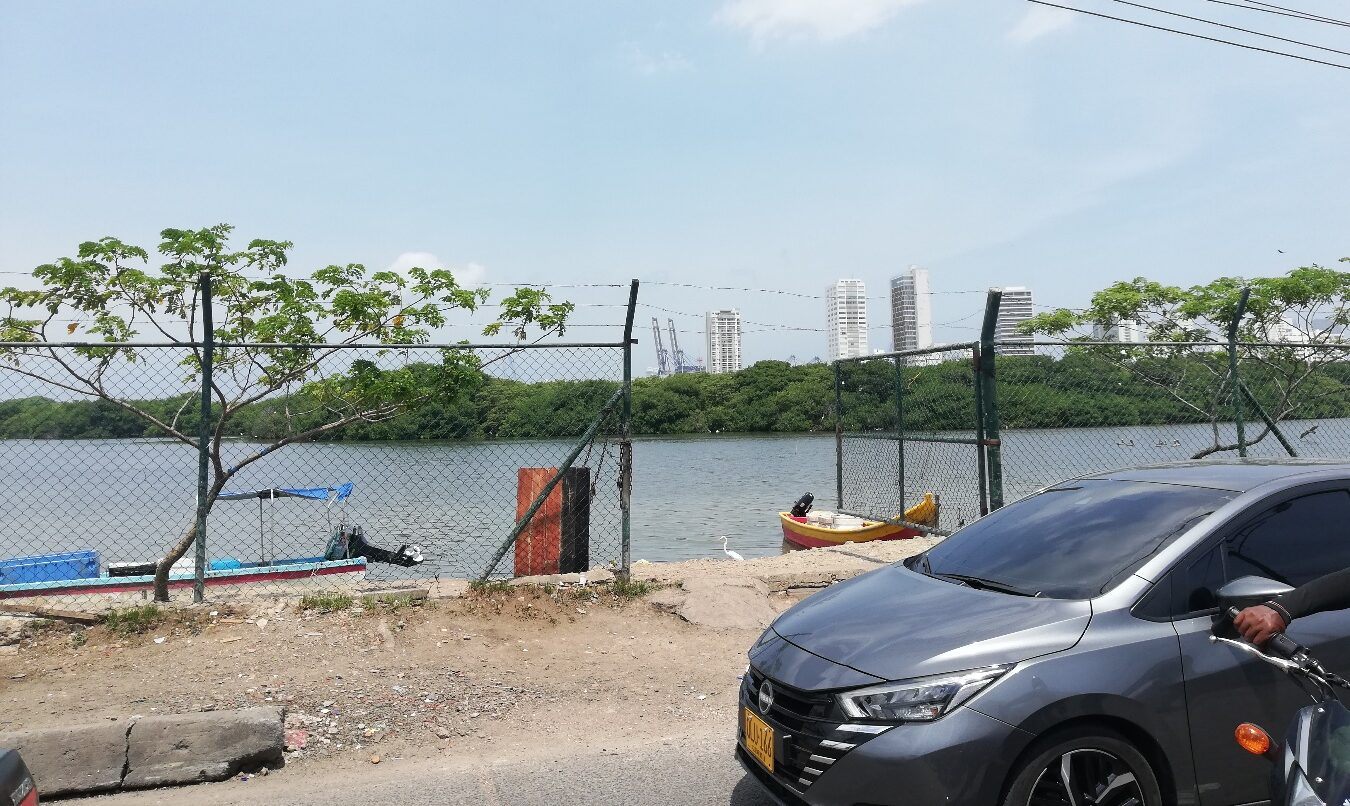
These interviews and informal conversations showed that the Port of Cartagena is perceived as a space apart, since it is a closed piece of infrastructure, bounded by walls, fences and rules that restrict access. Even in areas where proximity is obvious, such as the bay, the interaction between urban life and port activity is minimal.
This disconnect is not only physical but also symbolic and social, since port expansion in Cartagena has been marked by a logic of value that prioritises logistical efficiency and international competitiveness. While this has generated employment and investment, it has also produced tensions with local communities, especially those whose livelihoods depend directly on the sea, such as artisanal fishers.
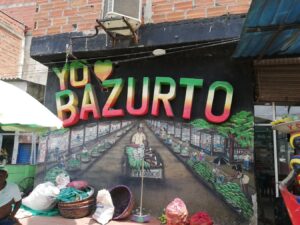
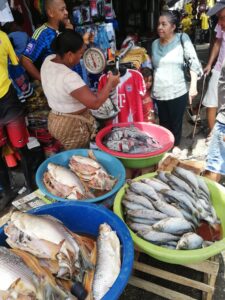
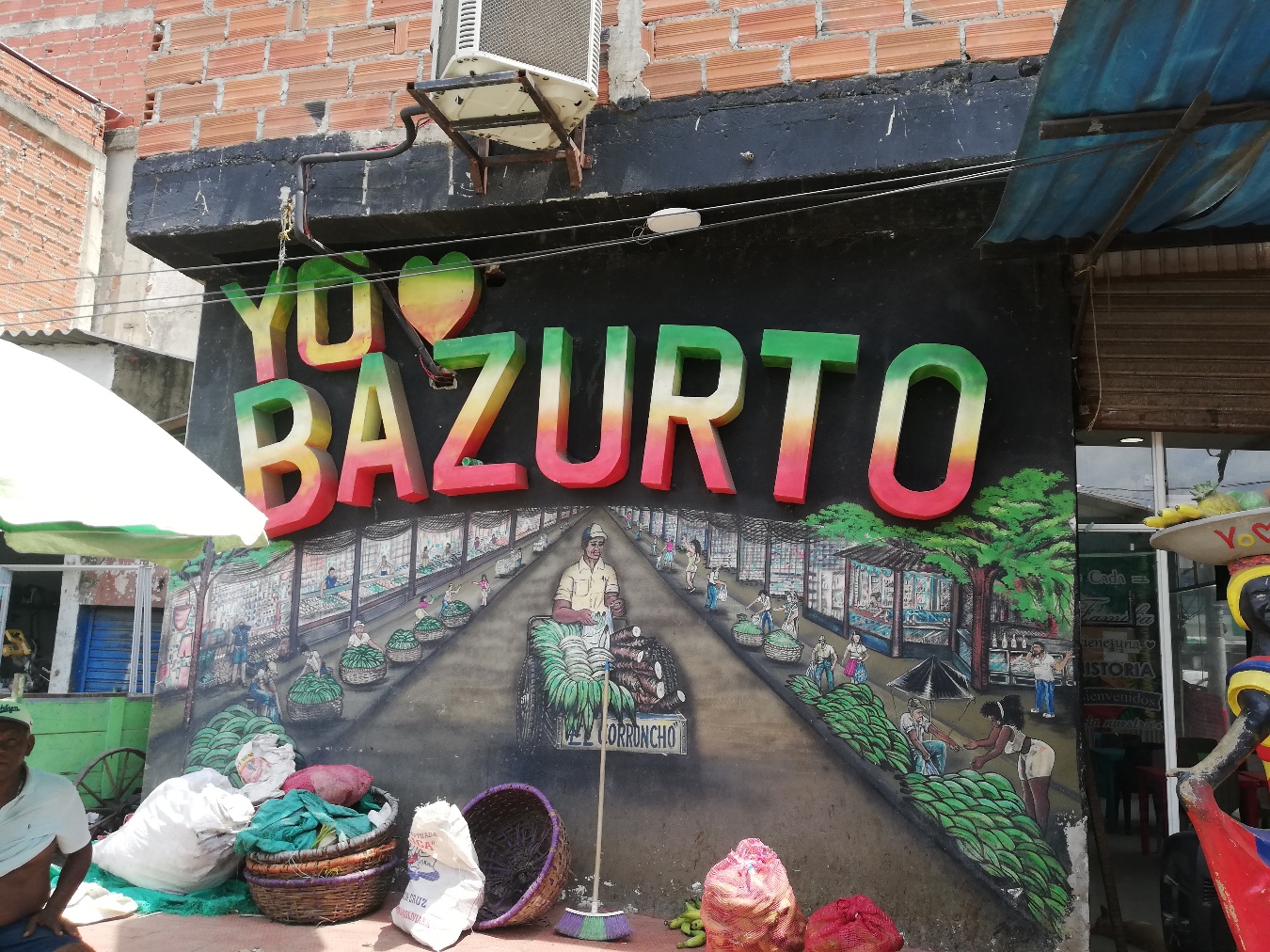
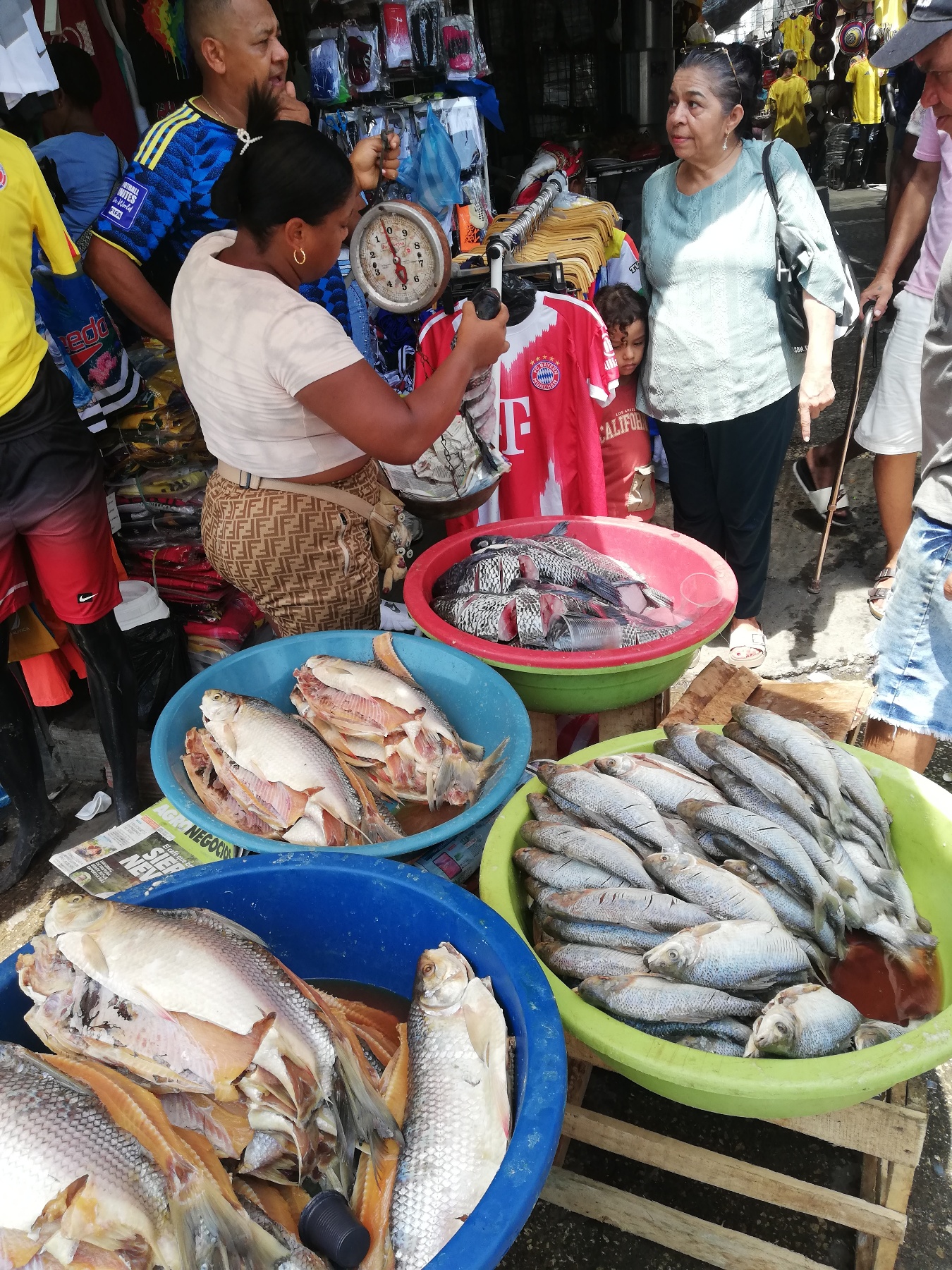
In the Bazurto Market, where the everyday economy remains closely tied to the sea and forms a fundamental base for artisanal fishers, the port is rarely mentioned as a relevant actor. This does not mean people are unaware of its existence, but rather that, for several of the civil society members interviewed, the port is not perceived as a unified entity but as a sum of terminals and companies.
The Bazurto Market
It is the main public market and supply centre of Cartagena de Indias. It is an important source of employment for the population and has played a fundamental part in the city’s economic, social and cultural development. It sits in a strategic location, bordered by two main roads, Avenida Pedro de Heredia and Avenida del Lago, as well as by the Ciénaga de La Quinta. (Museo Histórico de Cartagena de Indias, n.d.)
This makes it essential to understand the governance structure of the port system in Colombia, and Cartagena’s in particular, made up of multiple public and private actors. Regulatory, inspection and supervisory functions, together with the granting of licences and concessions, are carried out by the National Infrastructure Agency (ANI), the National Environmental Licensing Authority (ANLA), the Ministry of Transport and the Superintendency of Transport, while private companies (such as Contecar, Compas and Sociedad Grupo Portuario de Cartagena) operate terminals and develop infrastructure.
This points to an information asymmetry around the complexity of port governance: while both public and private institutions have a clear grasp of the regulatory frameworks and the division of responsibilities, the interviews showed that residents operate with only partial knowledge of this web of arrangements.
Interviewees tend to point to the Mayor’s Office of Cartagena as the body responsible for addressing the situations of inequality and exclusion these communities perceive, especially in relation to access to opportunities and participation in decisions about the social and environmental conditions of their territory.
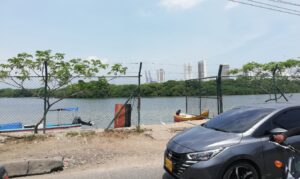
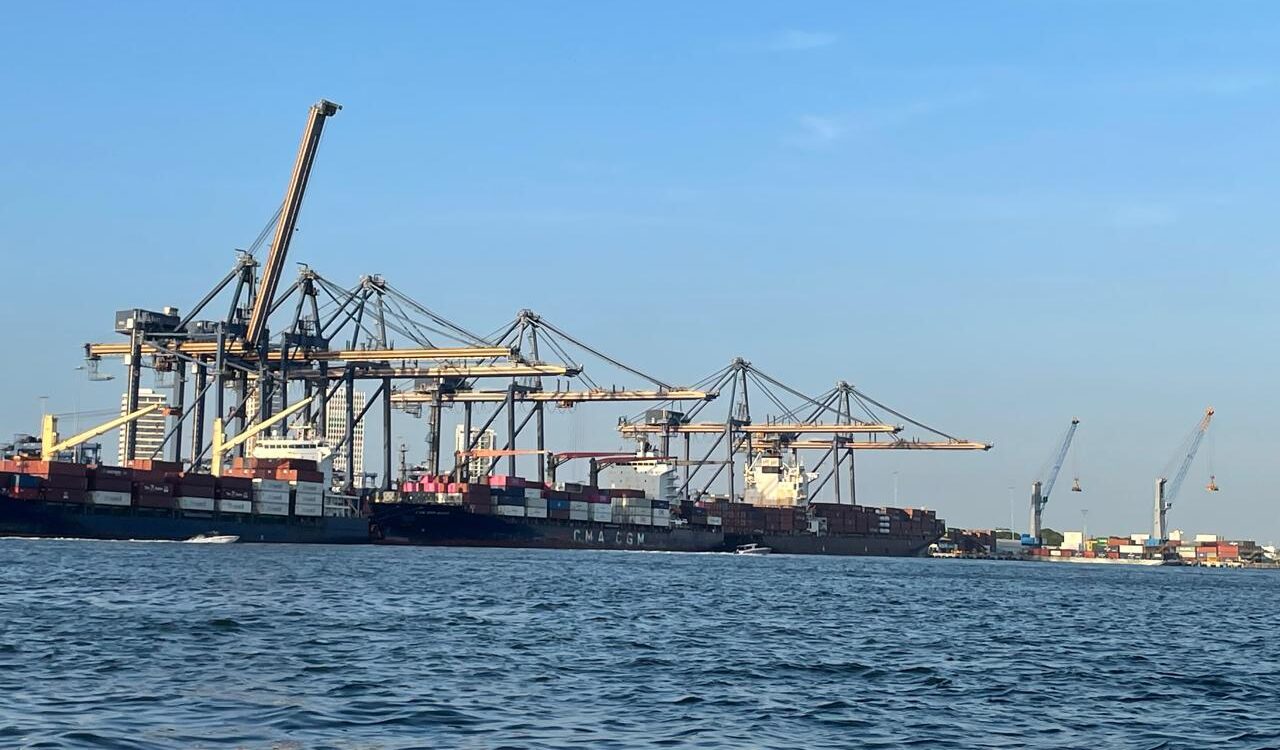
This is so despite Judgment C-244 of 2025, which clearly limits the powers of local mayors’ offices over port activities, since these are a matter of national significance. In connection with this, cases such as Judgment T-479 of 2018 and T-189 of 2025 have documented the lack of prior consultation with Afro-descendant communities in areas such as La Boquilla and Tierra Bomba, as well as restrictions on fishers’ access to their traditional fishing grounds. These dynamics directly affect local livelihoods and reinforce perceptions of exclusion, so that the social and symbolic disconnect from the port is not only a perception but a material experience bound up with inequalities in the distribution of the costs and benefits of port development.
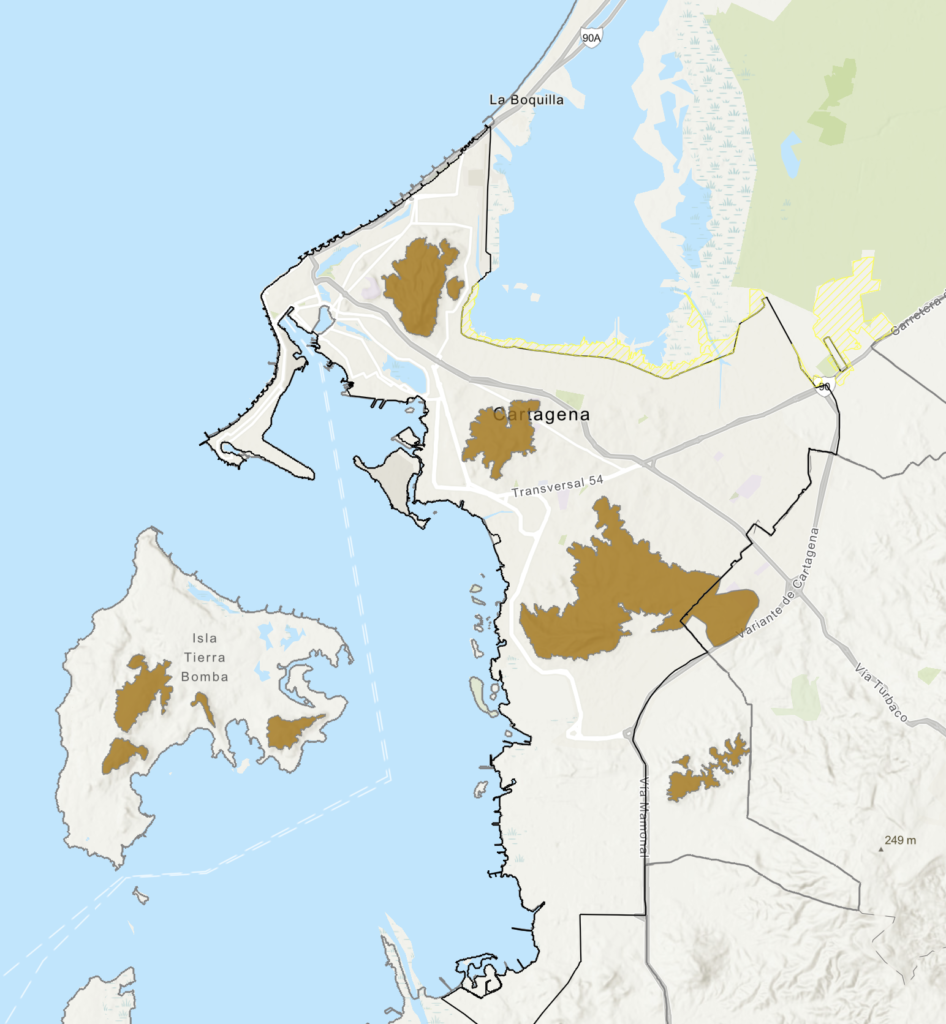
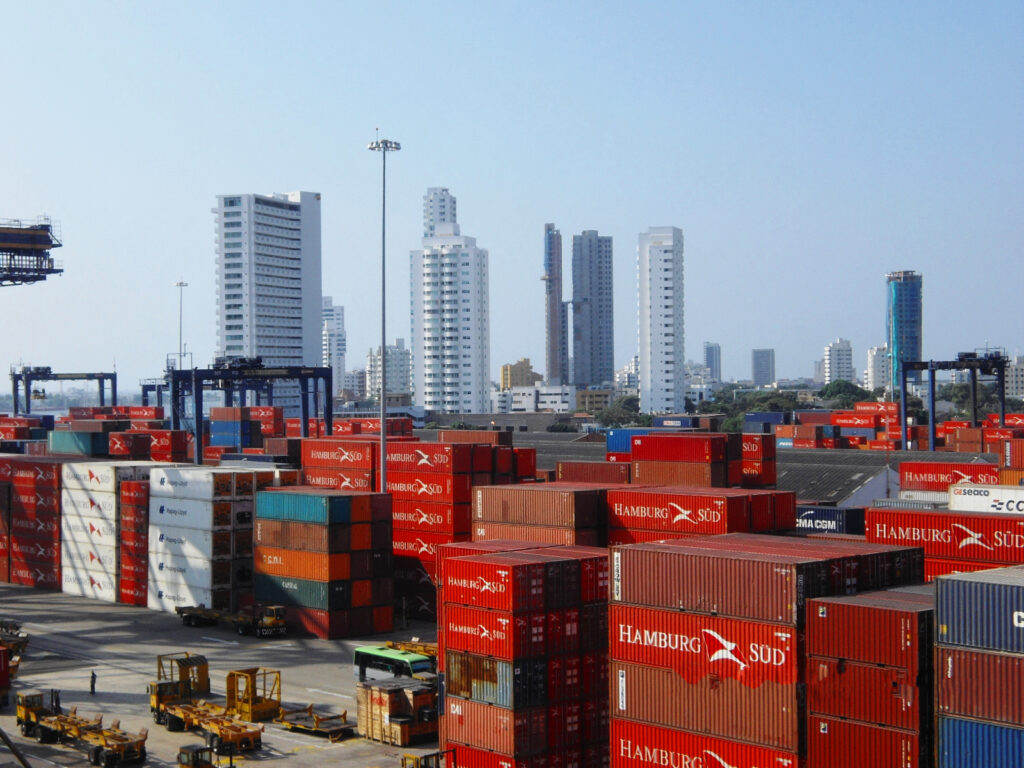
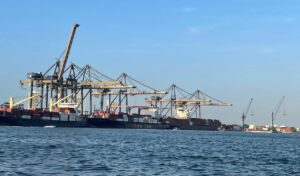
The image reflects the close geographical relationship between the city and the sea, a central characteristic of Cartagena that shapes its urban, economic and social development. This proximity conditions the dynamics between urban space, port activity and coastal ecosystems. For more, browse the interactive map on Geovisor Ambiental (in Spanish).
Stacked shipping containers at a Cartagena port terminal, with the city’s high-rise skyline behind. Photo: Pe-sa, Wikimedia Commons.
Recognising this problem, however, also opens the door to possible solutions. It is therefore essential to improve the mechanisms of communication, but also to move towards more inclusive forms of governance. This means strengthening spaces for effective participation, guaranteeing adequate consultation processes and promoting greater transparency in decision-making.
Cartagena has the potential to redefine its relationship with the port. Beyond its economic function, the port could become a space that binds the territory together, able to integrate global dynamics with local realities. To achieve this, the current fragmentation must be overcome and a shared narrative built, one that allows residents to understand not only what the port is but how it shapes their daily lives.
Ultimately the central question remains the same, because it is not only about defining what the port is, but about asking who it is for and under what conditions it develops, in order to move towards a fairer, more inclusive and more sustainable model of port development.
Learn more
- Research site overview: Cartagena de Indias
- Blog post: Doel and the Price of Port Expansion
- Follow ContainerHavens on LinkedIn for further updates
About the author

Tamara Navarro Balanta
Research AssistantTamara Navarro Balanta is an Afro-Colombian woman, a lawyer and internationalist with an emphasis on international politics and diplomacy from Universidad del Rosario. She was awarded the “Carlos Alzate” Excellence Award in the field of Commercial and Consumer Law in 2025. Her interests have been centered on research, particularly in maritime and port-related issues. In this field, she has promoted the creation of a think tank focused on the protection of the marine environment, titled MARES BALANTA. She has also served as the head of the legal department of the National Association of Maritime Pilots of Colombia. As part of the FWO ContainerHavens project, her contributions include the identification and review of relevant documents, engagement with key stakeholders within the port, and the support of any additional activities required for the development of the research. Her trajectory is characterized by a critical, committed perspective oriented toward social transformation.
End notes
- Agencia Nacional de Infraestructura. (2015). En Cartagena, Vicepresidente Vargas Lleras inauguró Puerto Bahía, moderna terminal multipropósito. Gobierno de Colombia. https://www.ani.gov.co
- Amézquita-López, J., & Jurado-Almonte, J. M. (2022). Gobernanza portuaria en Colombia: Tensiones entre desarro
- Corte Constitucional de Colombia. (2018). Sentencia T-479 de 2018
- Corte Constitucional de Colombia. (2025). Sentencia T-189 de 2025
- Corte Constitucional de Colombia. (2025, junio 11). Sentencia C-244 de 2025. https://www.corteconstitucional.gov.co/relatoria/2025/C-244-25.htm
- Díaz Bonilla, A. M. (2025, octubre 20). Informe tráfico portuario en Colombia: enero a junio 2025. Analdex. https://analdex.org/2025/10/20/informe-trafico-portuario-en-colombia-enero-a-junio-2025/
- Fundación Gases del Caribe. (2020). Documento de contexto socioeconómico de Cartagena. https://www.fgs.co
- Grupo Puerto de Cartagena. (2023). Informe corporativo y de sostenibilidad. Sociedad Portuaria Regional de Cartagena. https://www.puertocartagena.com
University of Antwerp
Faculty of Law and Institute of Development Policy (IOB)
Stadscampus – Gebouw V
Venusstraat 23
2000 Antwerp, Belgium
Research sites
Follow us
ContainerHavens 2026 | Disclaimer | Privacy policy | Cookie policy