
The port is operated principally by the Shanghai International Port (Group) Co., Ltd. (SIPG), a large port and logistics enterprise established in 2003 through the restructuring of the former Shanghai Port Authority. SIPG subsequently became a shareholding company and thereafter a listed company in 2006, and operates public terminals across the Port of Shanghai.
For ContainerHavens, Shanghai provides a distinctive setting in which to examine how state and enterprise governance, technological transformation and green development reshape recognition, visibility, and in turn worker identity. Rather than approaching the port only as an enclosed physical site or as a collection of occupations, the research project examines how particular workers and forms of labour become recognised and visible in state, spatial, economic and social processes within an increasingly spread across multiple sites, automated and digitally coordinated port.
The Shanghai case asks:
● Who counts as a port worker in Shanghai, and through which spatial, institutional and organisational practices?
● What forms of labour become visible, invisible or newly recognised as the port becomes increasingly automated and technologically integrated?
● What does the Shanghai case reveal about the relationship between technological development, worker recognition and the future of global ports?
A port organised across multiple spaces
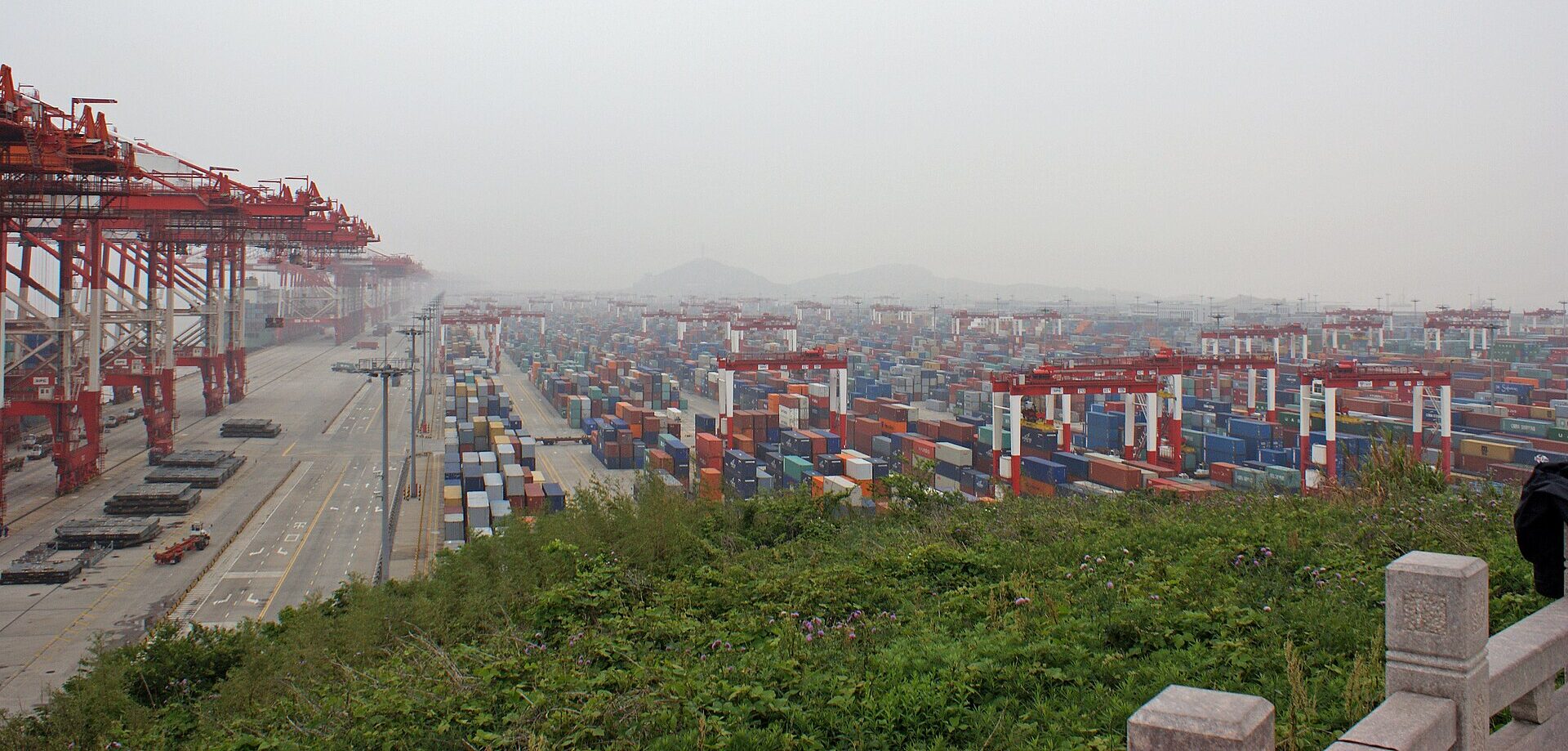
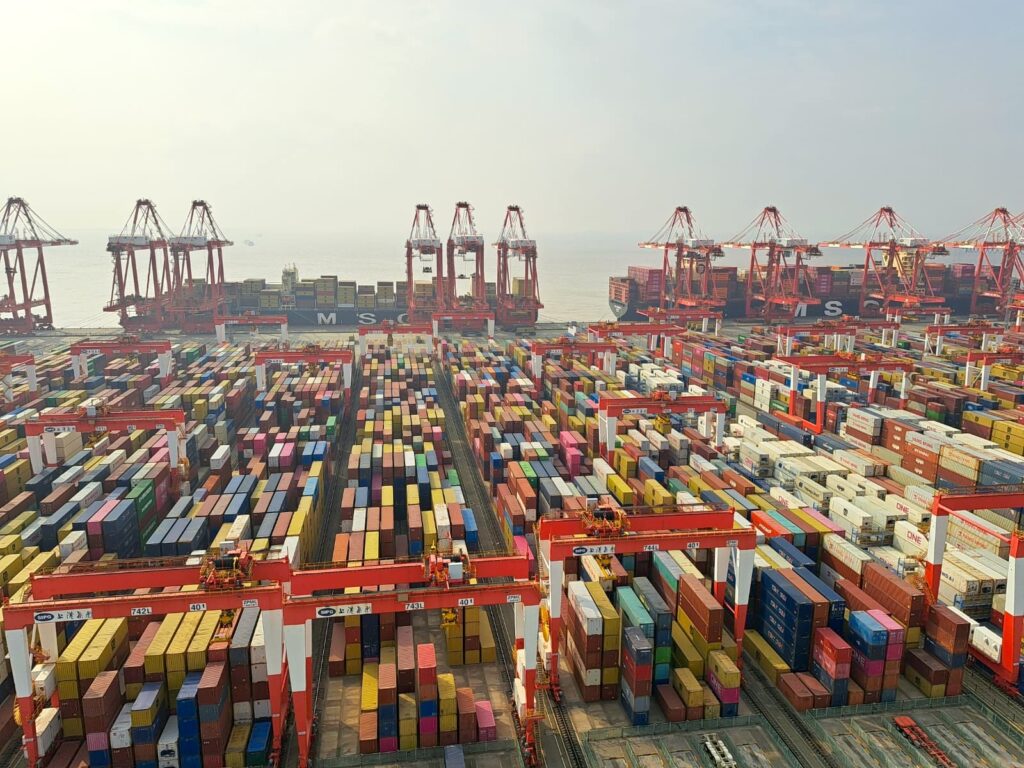
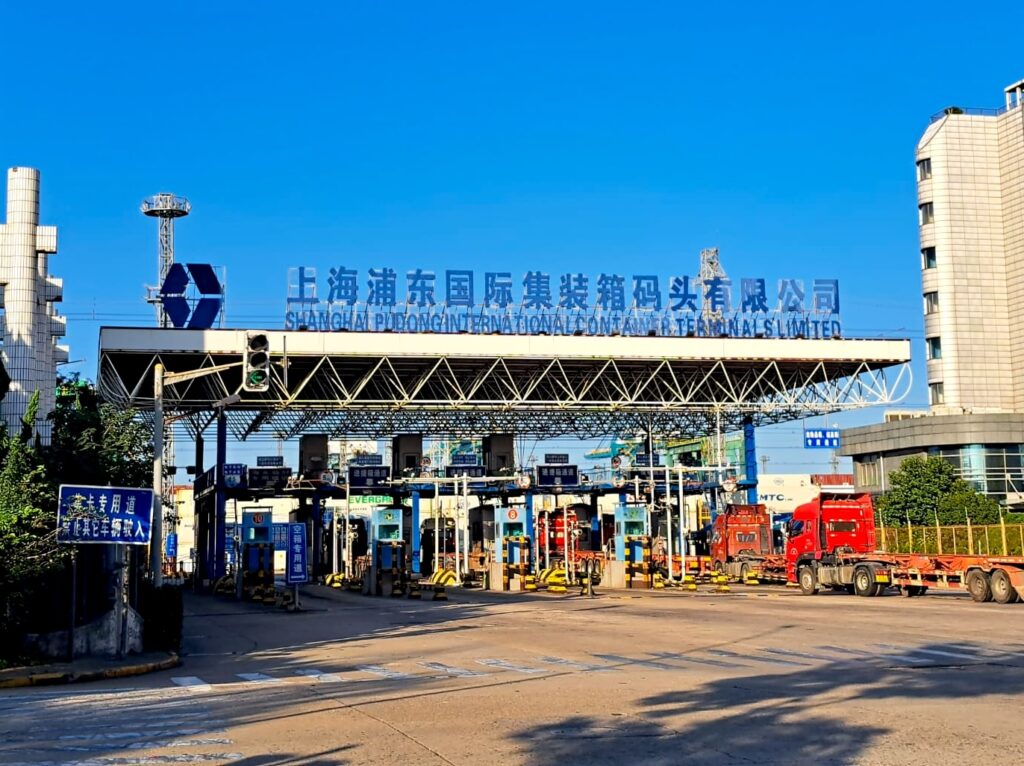
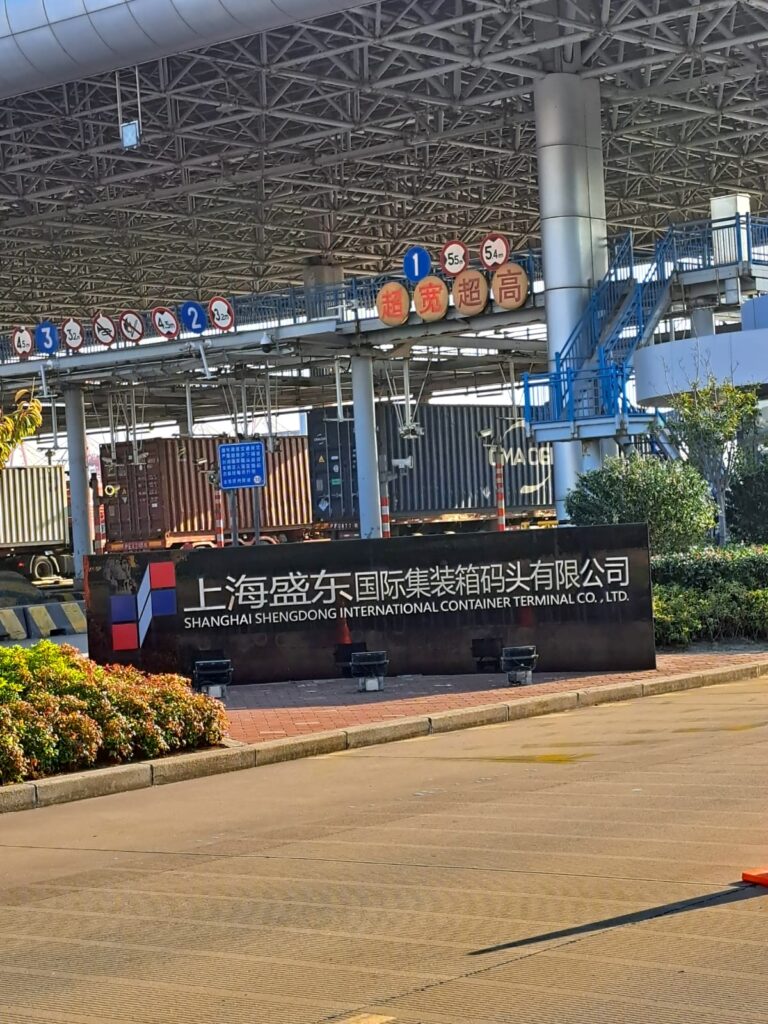
The Port of Shanghai is not a single terminal or waterfront location. Its operations extend across a complex network of port areas, terminals, waterways and inland connections. The container terminals are principally distributed across Yangshan, Waigaoqiao and Wusong and recently Luojing, with SIPG identifying 49 container berths, 176 container gantry cranes and approximately 7.58 million square metres of container yard space. The wider port also includes facilities for bulk and general cargo, roll-on/roll-off traffic, cruise operations and other maritime services spread across Luojing, Wusong, Longwu, Waigaoqiao and the North Bund area.
Its geographical position is central to this configuration. Shanghai sits at the intersection of the Yangtze River, China’s coastal shipping routes and extensive inland transport networks. The port therefore connects maritime trade to the Yangtze River basin, the Yangtze River Delta and wider national and international logistics networks.
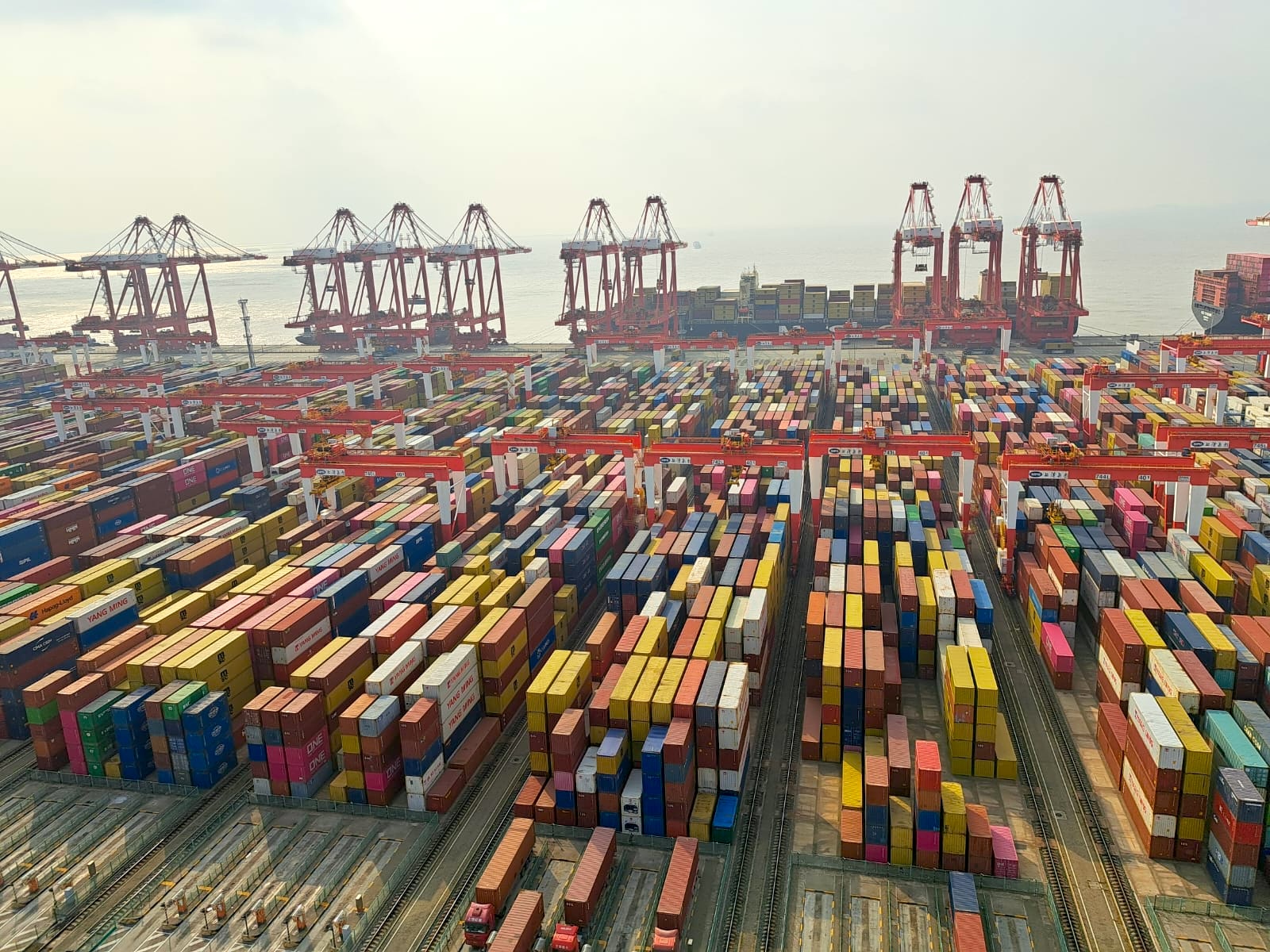
The development of Yangshan Deep-Water Port, offshore from Shanghai and connected to the mainland by the 32-kilometers Donghai Bridge, has further extended the spatial organisation of port activity. Yangshan has become a major deep-water container hub while remaining institutionally and economically integrated into the wider Port of Shanghai.
This spatial organisation raises an important labour question. If the port is increasingly organised as a network connecting terminals, logistics systems, information platforms, hinterland transport, and special economic zones, where should the boundaries of port work be drawn?
From port authority to enterprise-centred governance
The institutional organisation of Shanghai differs significantly from the governance arrangements found in many Western ports. Shanghai port administration is exercised through a combination of municipal and national regulatory institutions.
The Shanghai Municipal Commission of Transportation is an administrative department of the Shanghai Municipality that is responsible for port administration, while maritime safety, customs, immigration and other governmental bodies exercise their respective regulatory functions. The Regulations of Shanghai Municipality on Ports provide for unified administration of the port while requiring port operators to obtain the necessary operating permits and comply with national and municipal rules.
Alongside this public regulatory structure sits Shanghai International Port Group Co. Ltd (SIPG), the principal enterprise operating public terminals. SIPG describes itself as a specialised port conglomerate responsible for terminal operations, logistics and related port services, with strategic objectives centred on maintaining Shanghai’s leading container throughput, developing a world-class shipping hub and advancing technological and operational capabilities.
This creates a distinctive configuration of state regulation and enterprise organisation. For the ContainerHavens research project, this configuration matters because recognition of port work does not occur only through occupational categories or collective bargaining institutions. It may also occur through the organisation of work within large enterprises, managerial systems, technological infrastructures, occupational hierarchies and administrative classifications.
ContainerHavens researcher Peter Mbogo Kimani therefore not only examines what the law recognises as port work, but also how enterprise organisation and state-led port development make particular forms of labour recognised and visible while others are excluded.
Automation and the transformation of port work
Automation is particularly visible at Shanghai’s Yangshan Phase IV automated container terminal. Yangshan Phase IV was designed as a fully automated container terminal, using automated guided vehicles, automated rail-mounted gantry cranes, remotely operated quay cranes and an intelligent terminal operating system independently developed by SIPG. SIPG describes the terminal as the world’s largest automated container terminal. In addition, it is fully electrified which according to SIPG eliminates air and noise pollution.
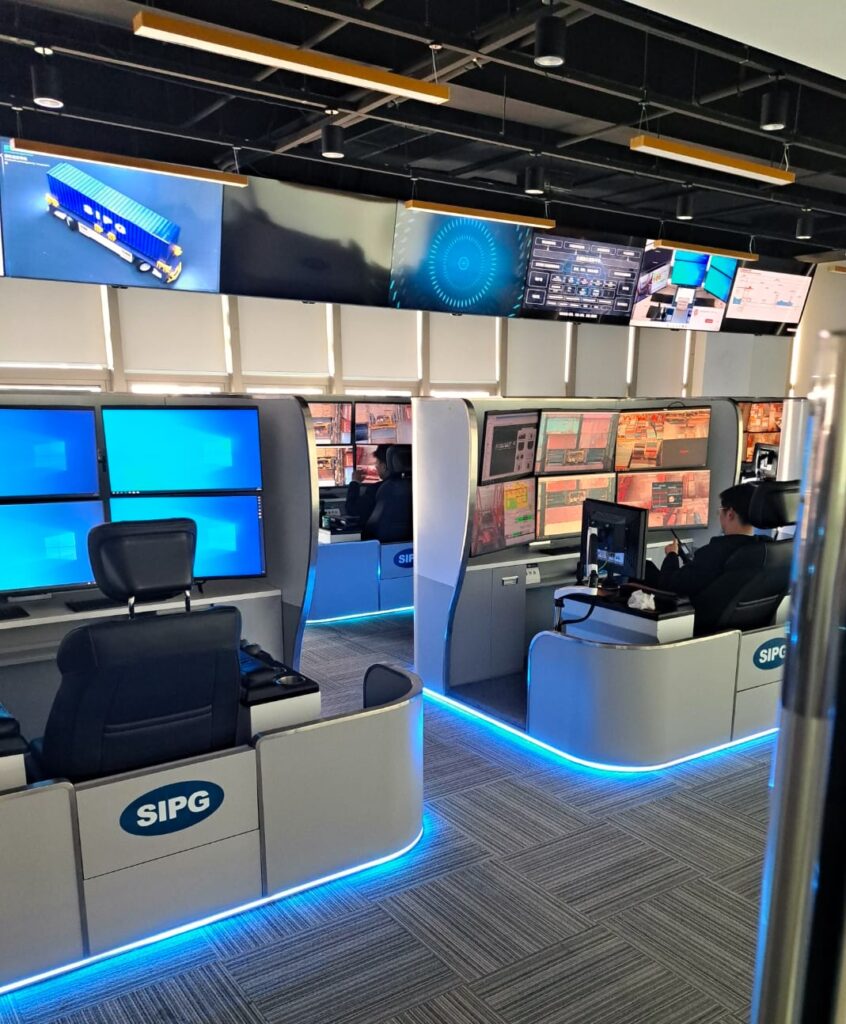
Automation has not simply removed workers from the terminal. Instead, it has reconfigured where and how people work. At Yangshan Phase IV, workers who would traditionally operate equipment directly at the quayside can instead operate machinery remotely from control rooms located at Dishui Lake, in Lin-Gang Special area, which is about 30 kilometers from Yangshan Container Terminal. Earlier descriptions of the terminal show crane operators moving from crane cabins into technologically mediated control environments, while automated equipment performs much of the physical movement of containers.
At Yangshan, this transformation can be seen in the experience of crane operators who have moved from physically demanding work high above the terminal to remote operation in controlled indoor environments. SIPG and other accounts emphasise the resulting improvements in working conditions and reductions in physical labour intensity.
But this transformation also raises a deeper socio-legal question. If port work becomes increasingly mediated by technology, state enterprise systems and digital infrastructure, what institutional, spatial, and social practices determine which workers remain recognisable as port workers?
The Shanghai case therefore allows researcher Peter Mbogo Kimani to examine recognition not only as a matter of legal status, but also as a product of state practices, enterprise organisation, spatial organisation, technological systems, occupational classification and everyday practices of work.
Automation therefore raises questions that extend beyond whether jobs disappear. It asks: What happens to worker identity when the physical location of work changes? Does a crane operator remain recognisable as a port worker when the crane is operated from a control room kilometres away? What new occupations emerge around software, maintenance, data, remote operations and system supervision? How does technological expertise become part of the identity of the port worker? And, crucially, does the increasing visibility of technology make the human labour that sustains the port more or less visible?
The green and smart port
Automation is part of a wider push to make the Port of Shanghai smarter and greener..
SIPG’s strategic framework explicitly links technological innovation, efficiency and green development to the construction of a world-class shipping hub. SIPG identifies “smart” and “green” development as central components of its contemporary port strategy.
Yangshan Phase IV illustrates this combination particularly clearly. Its handling equipment is electrically powered, while the terminal incorporates shore-power infrastructure, energy monitoring, solar-assisted heating and other energy-saving technologies. SIPG describes the terminal as combining automation and low-carbon technologies within a single operational system.
Luojing Container Terminal provides another example of SIPG’s green and smart terminals. According to SIPG, Luojing Container Terminal phase I represents a successful model for the digital, intelligent, and green transformation.
The wider Port of Shanghai has also expanded shore-power infrastructure and other low-carbon initiatives. SIPG reported that ships used approximately 38.7 million kWh of shore power in 2025, while the port has increasingly incorporated cleaner fuels and green-methanol bunkering into its development strategy.
These developments demonstrate how efficiency, automation and environmental sustainability are increasingly articulated together. Yet the green port is not simply a technological achievement. It also produces new forms of work, new technical expertise and new organisational responsibilities. Furthermore, meeting the port’s growing demand for electricity, liquefied natural gas, and alternative fuels (such as ammonia and methanol) creates widespread infrastructure and socio-environmental impacts that extend far into neighbouring territories and communities. This is in addition to socio-environmental impacts arising from port operations, rail trucks, shipping, and trucks.
The transition therefore raises several questions. Who performs the work of decarbonisation? Which workers acquire new technical skills? Which occupations are transformed by electrification and automation? And do new forms of “green” and “smart” work become recognised as port work?
The Shanghai case examines how state and enterprise governance, spatial reorganisation, automation, and green development reshape port labour and worker recognition.
Rather than treating automation simply as the replacement of human labour by machines, the ContainerHavens research project examines automation as a process that reorganises the location, content, and visibility of work.
The Port of Shanghai offers a distinctive lens on the future of port labour. The question is not simply how many jobs are gained or lost, but who is recognised as doing the work that makes the port possible.
Latest updates on the Port of Shanghai

Following a Cargo Through the Monetary System
The workshop “Money, Finance, Ports and Supply Chains” took place on 7 October in Turin,…
About this research
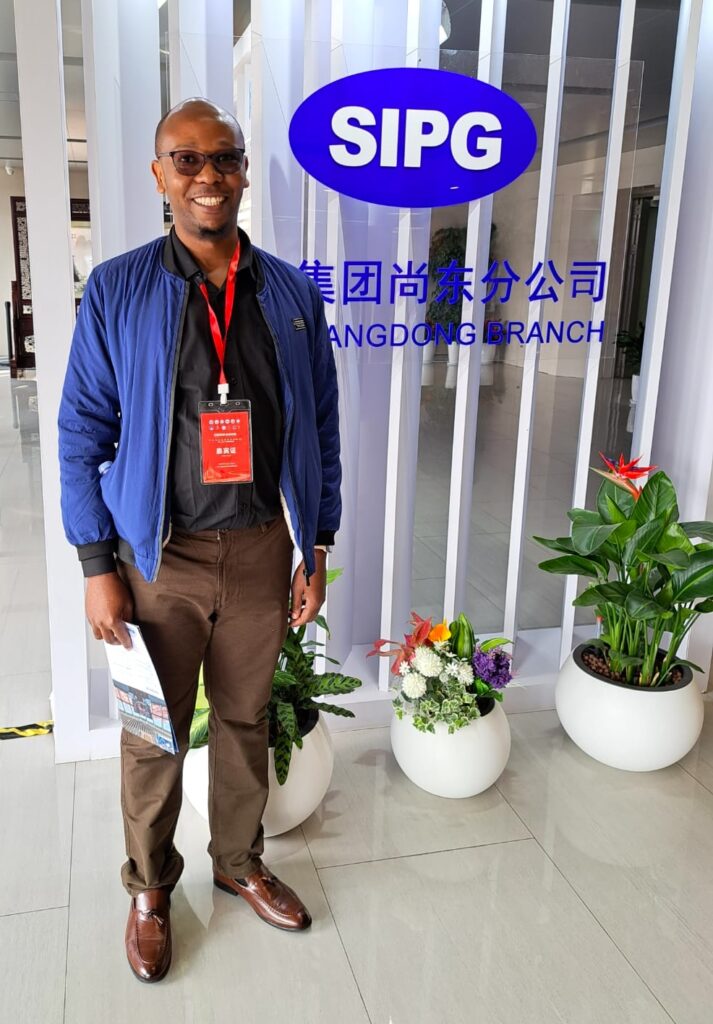
This page draws on Peter Mbogo Kimani’s fieldwork in Shanghai. If any of this connects with what you’re working on, we’d be glad to hear from you.
University of Antwerp
Faculty of Law and Institute of Development Policy (IOB)
Stadscampus – Gebouw V
Venusstraat 23
2000 Antwerp, Belgium
Research sites
Follow us
ContainerHavens 2026 | Disclaimer | Privacy policy | Cookie policy