
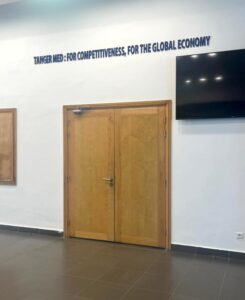
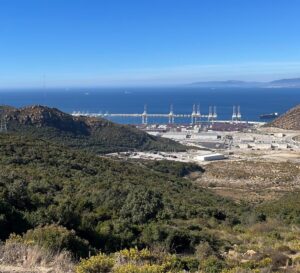
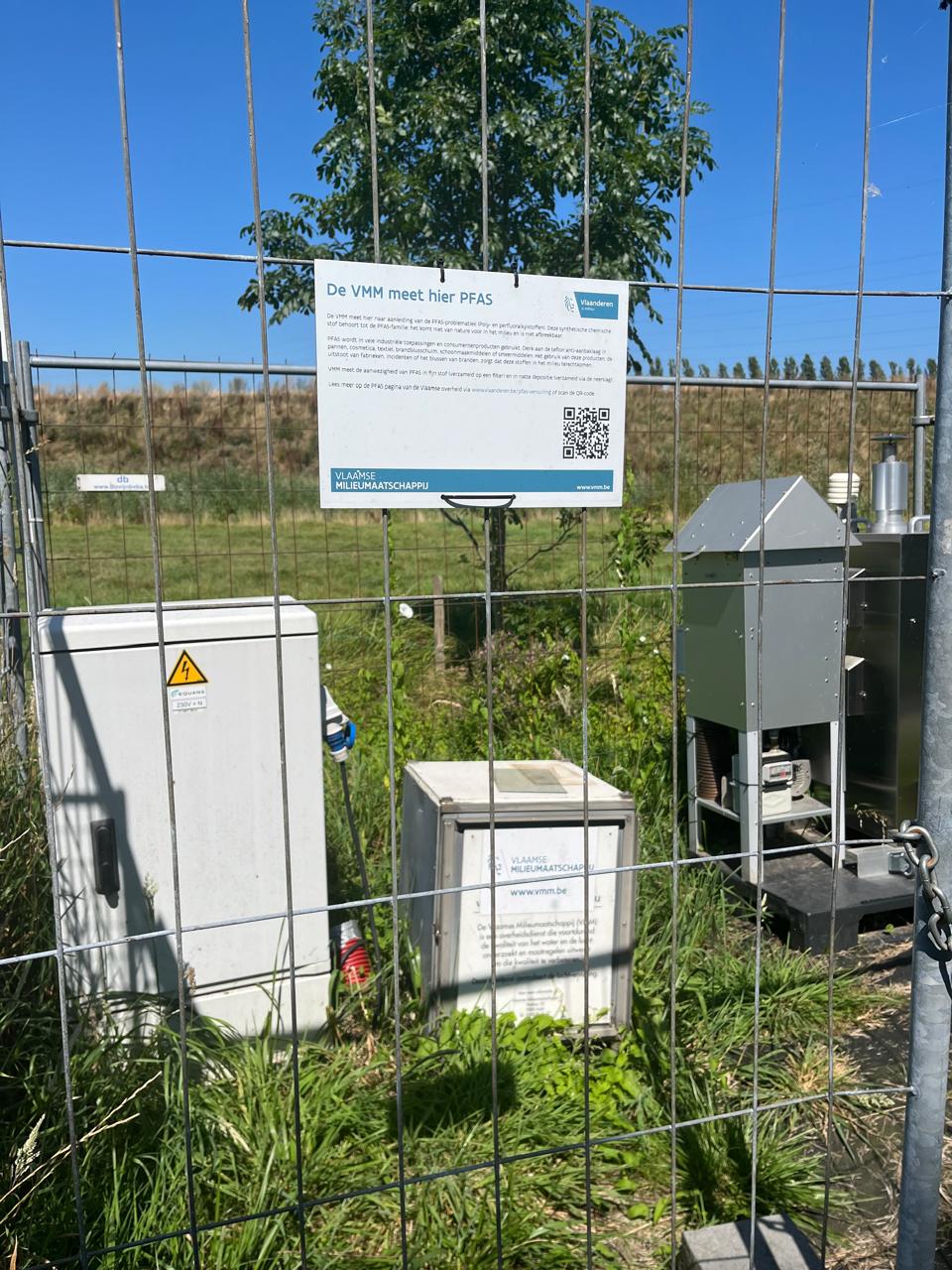
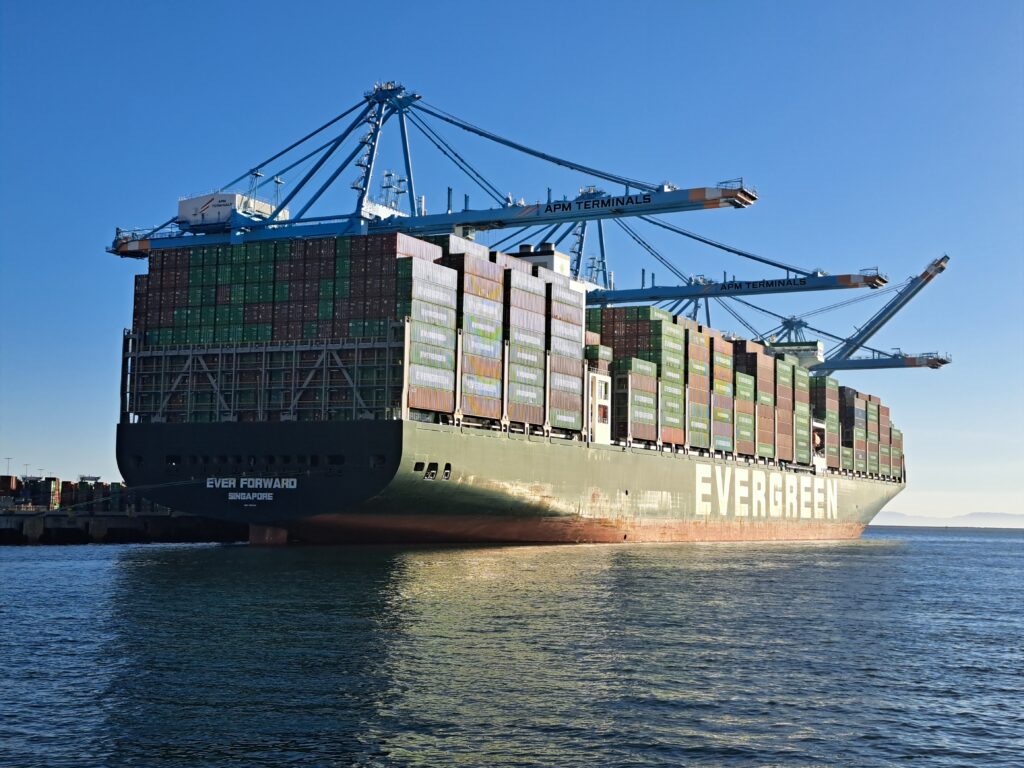
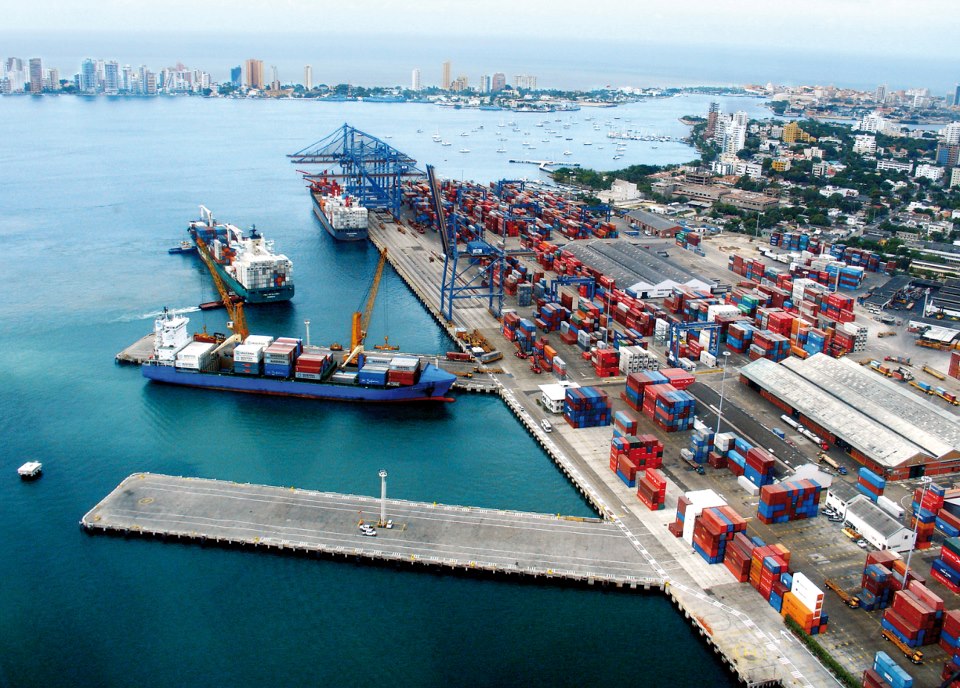
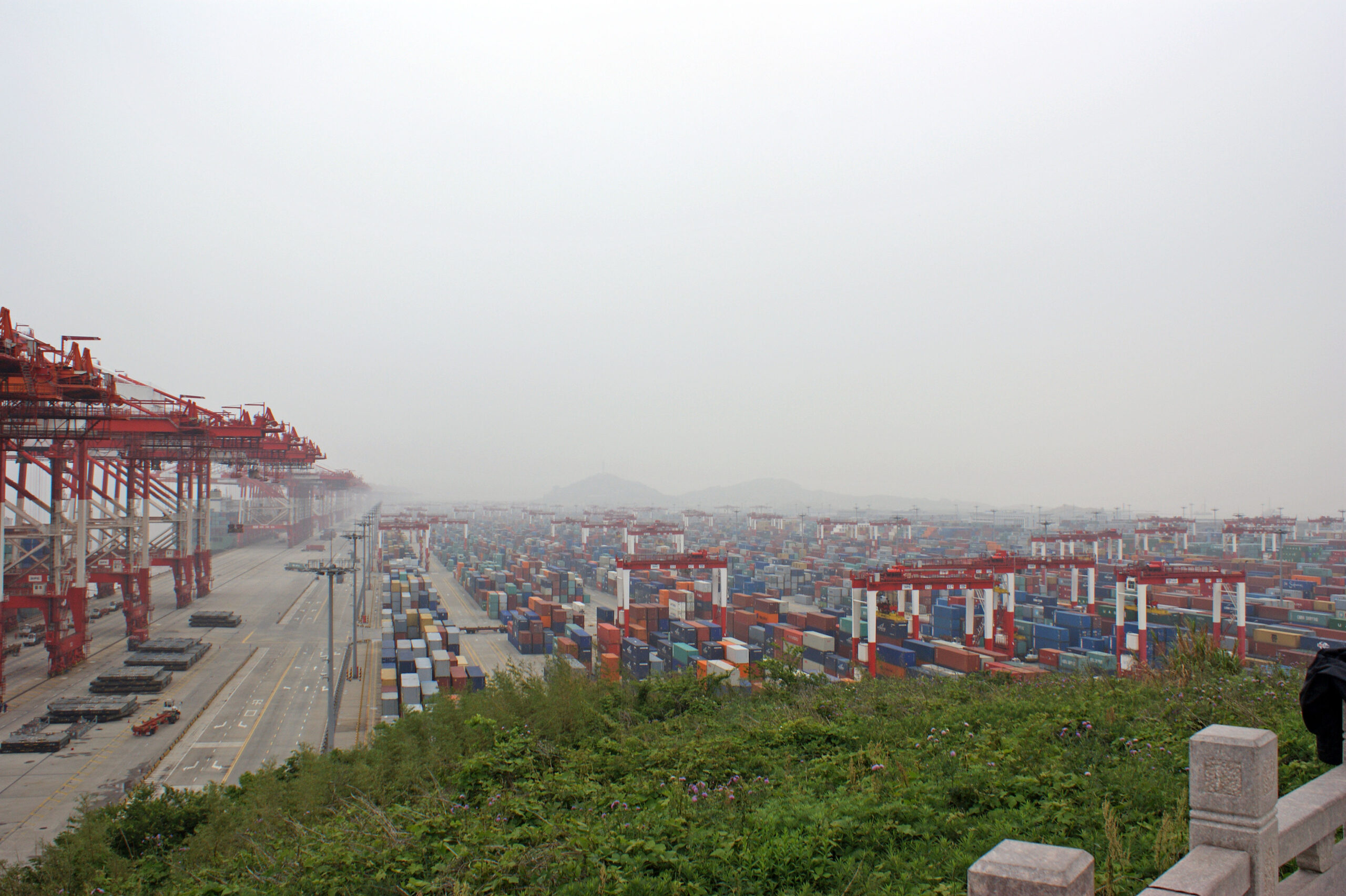
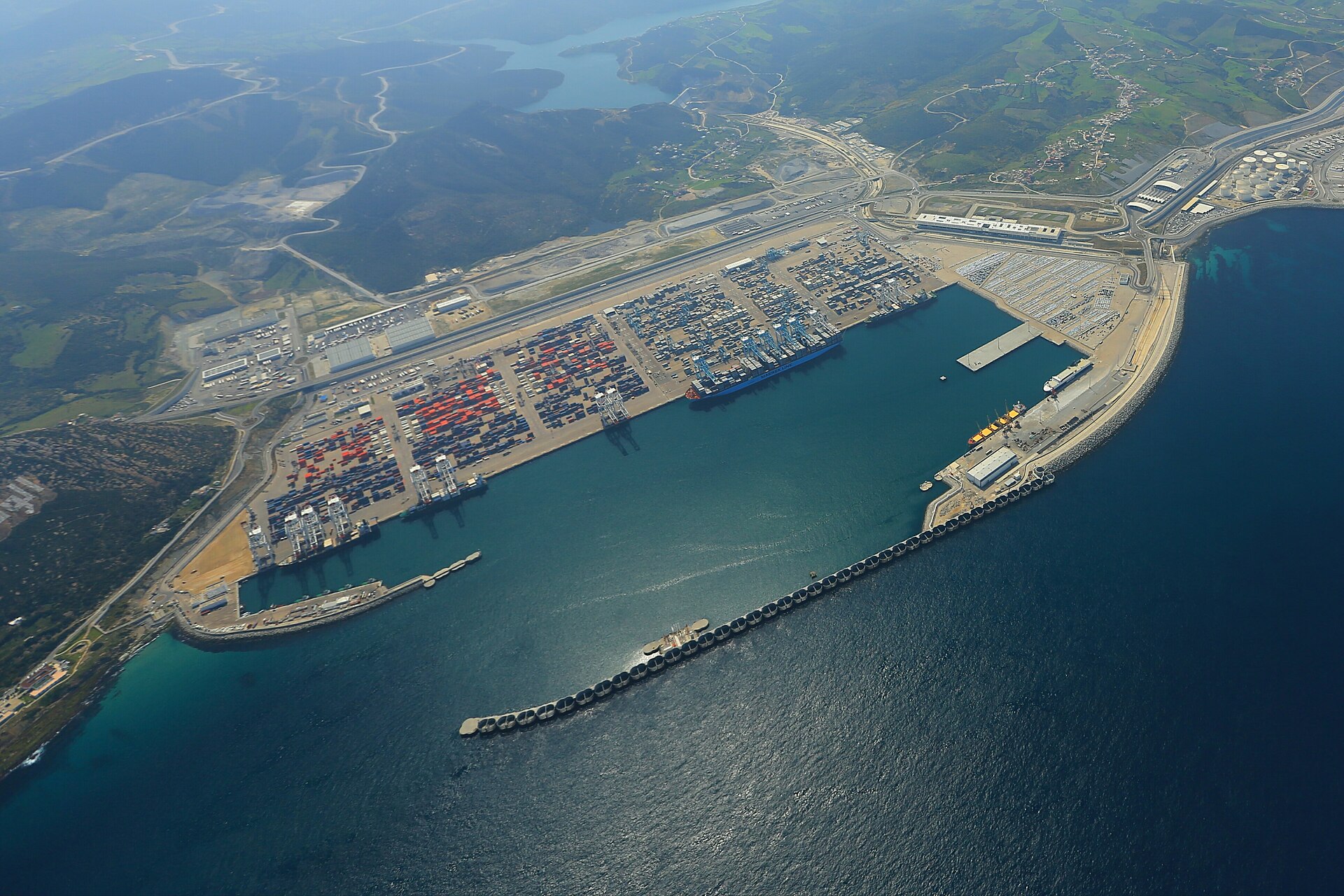
The FWO ContainerHavens project is built around five global container ports: San Pedro Bay (twin ports of Los Angeles and Long Beach, United States), Shanghai (China), Antwerp-Bruges (Belgium), Tanger Med (Morocco), and Cartagena (Colombia). The hypothesis animating this research is that ports are complex socio-legal enclaves whose dynamics and boundaries are defined not by their gates and fences, but by the multiplicity of local and transnational interactions that take place on a daily basis. In this regard, the project seeks to uncover the deeper ontological and epistemological implications of these ports, recognizing them as focal points of intense contestation, where economic imperatives clash with the interests of workers, the environment, and surrounding communities. Rather than mere spaces of circulation, ports are interpreted as dense, pluralist legal spaces shaped by overlapping legal and quasi-legal orders and as spaces that shape territories, ecologies, lives, and employment relationships.
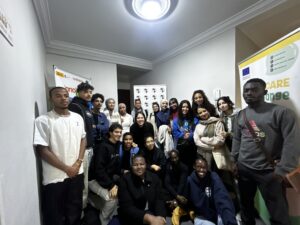

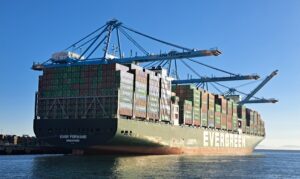
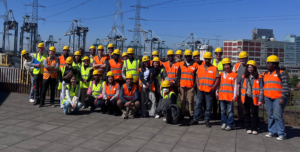
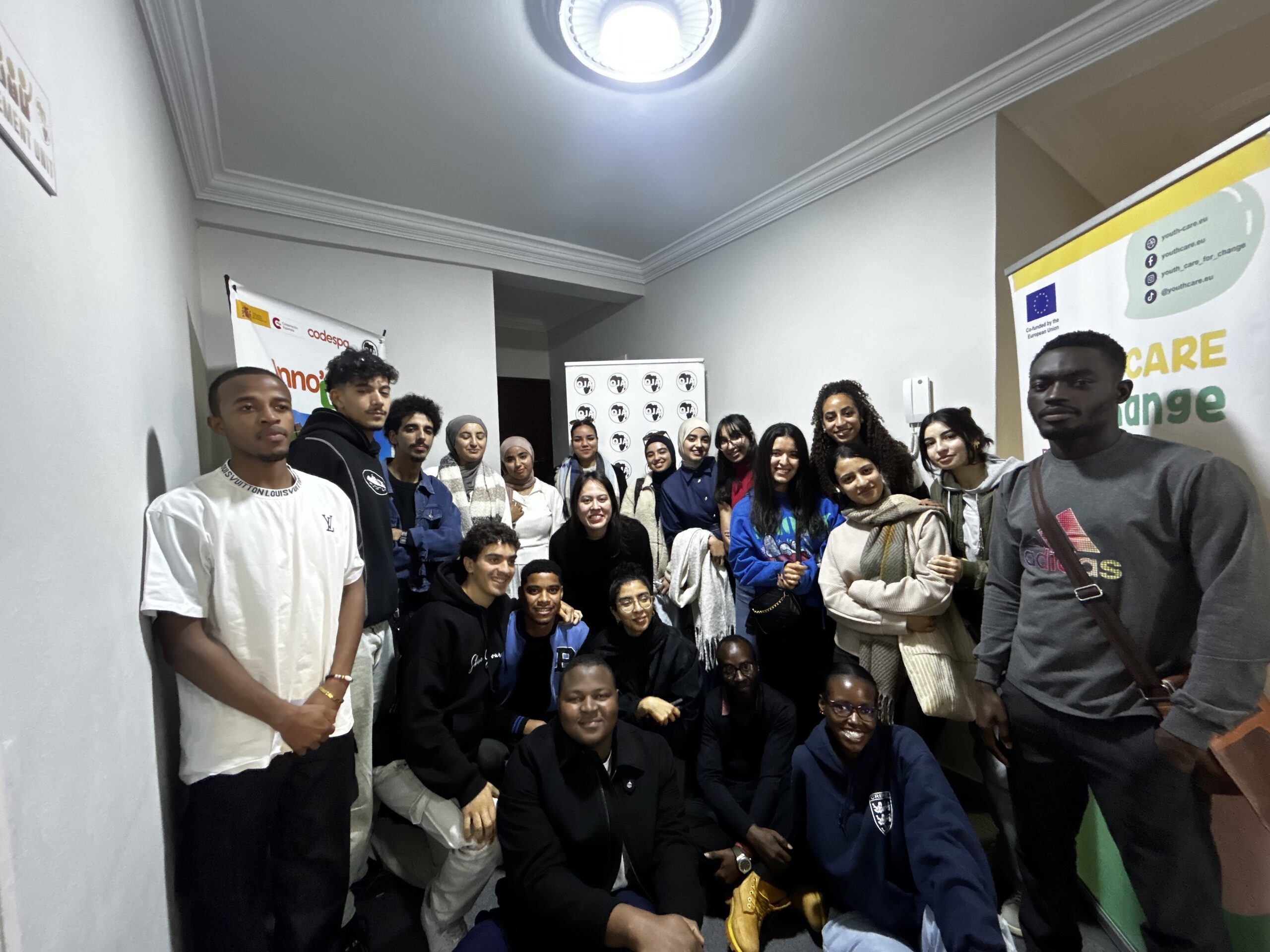
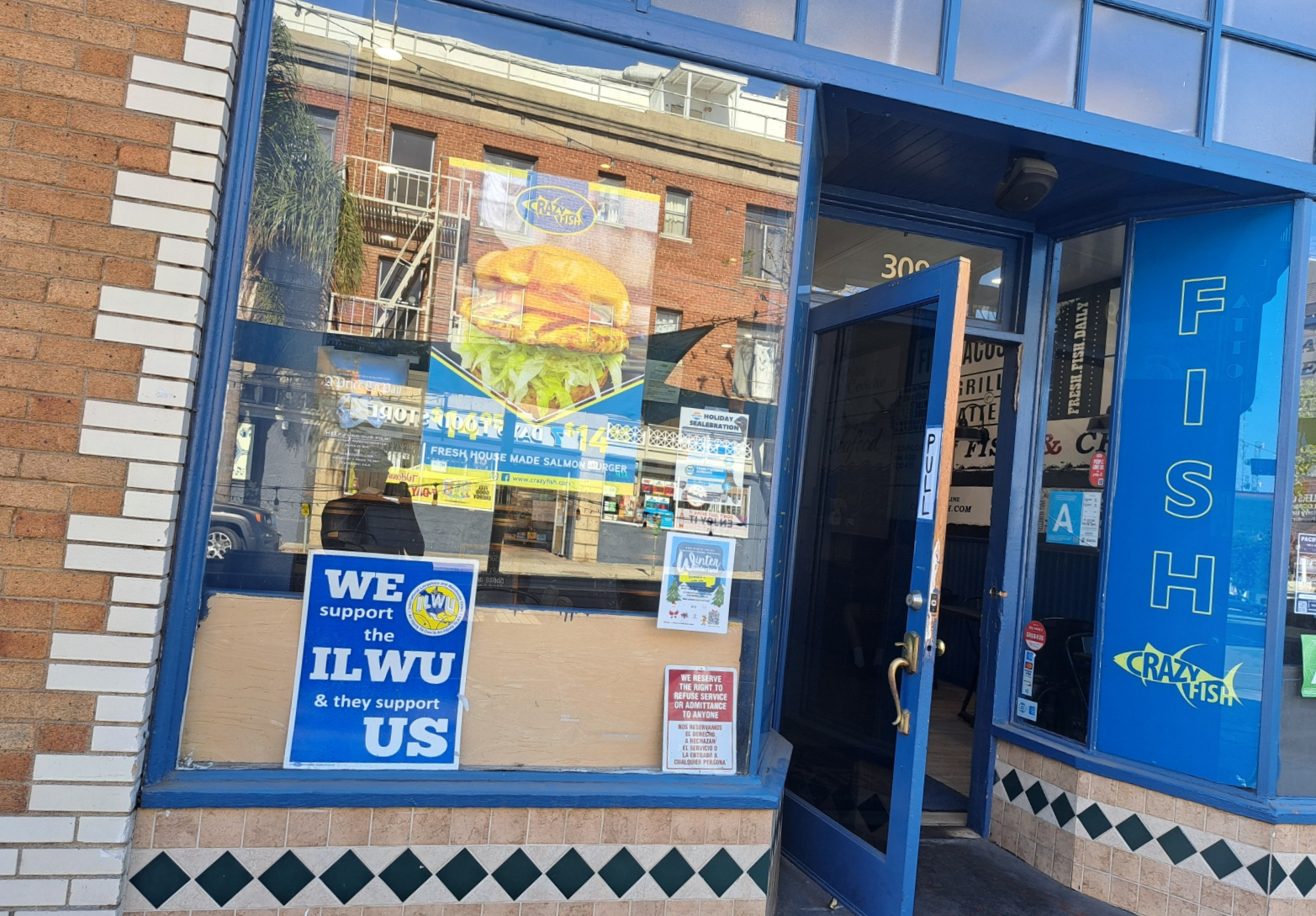
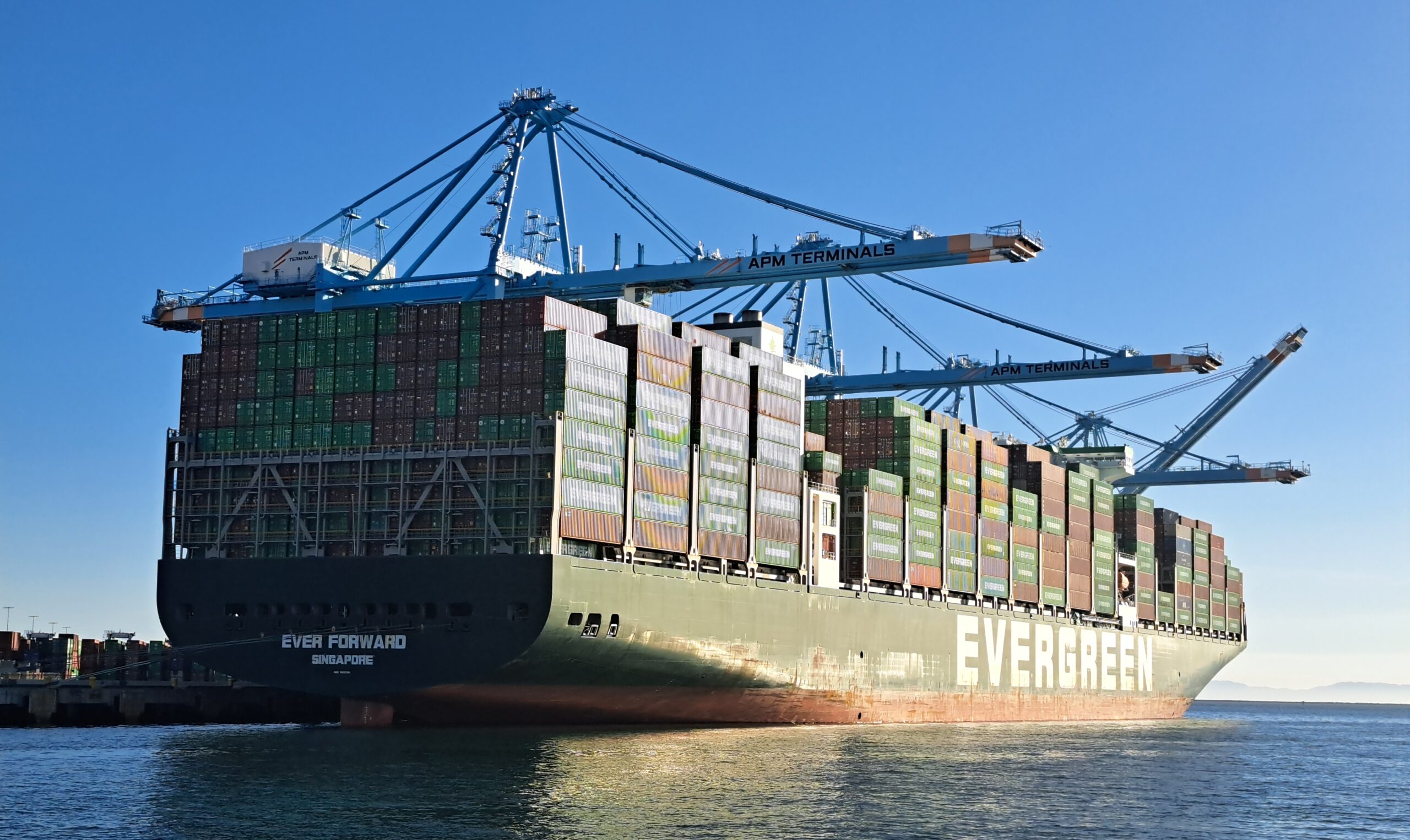
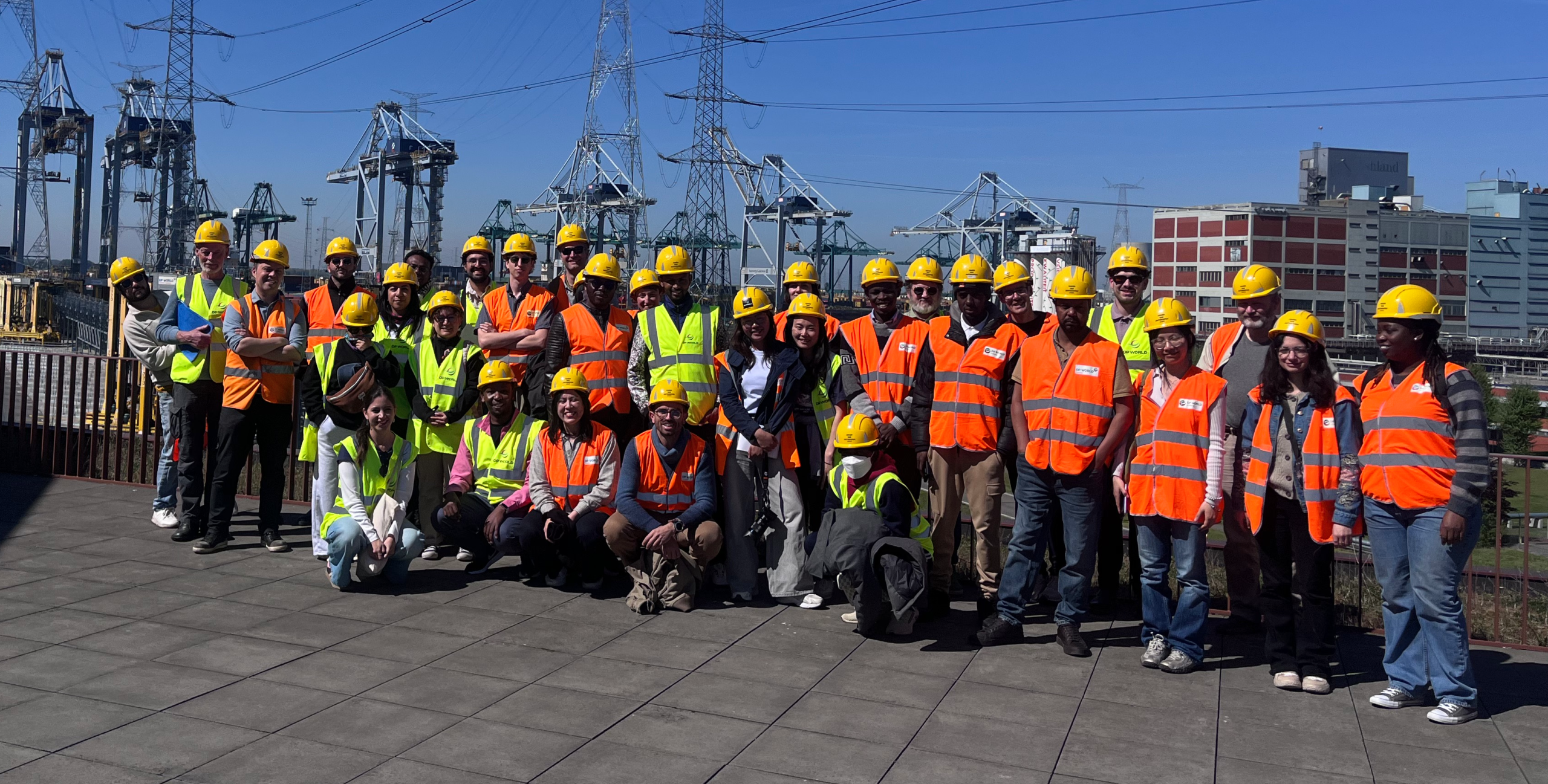
The five case studies – located on different continents and characterized by different sizes and purposes – were selected to capture variations across the Global North and Global South, based on their relevance in terms of trade volume and the positions they occupy in global and regional trade systems. The cases also differ in governance models and legal traditions, providing a terrain of socio-legal investigation that reflects on the encounter between the need for global competitiveness and local socio-ecological dynamics. It is not just a matter of acknowledging that San Pedro Bay operates under a common law system, while the remaining four ports fall under civil law regimes, but of recognizing the legal interactions that operate underneath and beyond this layer. In terms of port governance models, for example, the ports of Los Angeles and Long Beach are landlord ports operating as city departments, while Antwerp-Bruges is a landlord port characterized by corporatized multi-level governance features. The ports of Shanghai and Tanger Med, meanwhile, feature centralized, state-led systems, and Cartagena operates under concession-based, fragmented arrangements.
Being deeply rooted in socio-legal scholarship and critical approaches to law and policy, the project methodology combines the “law in context” tradition with legal pluralism, the “law in global production” perspectives developed in the framework of the Institute for Global Law and Policy so as to enrich production-based relationships with the voices, experiences, and legal consciousness of the people who shape the ports and the resistance against them. This foundation grounds the project in an empirical method centered on observing law as it unfolds in practice, engaging qualitatively with the actors who enact, experience, or resist it, and sustaining genuine interdisciplinary dialogue.
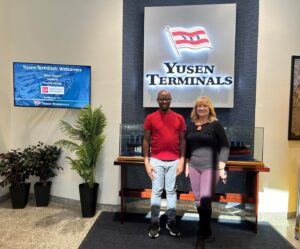
In practice, this means combining desk research with fieldwork across all research sites. Desk research grounds the analysis of port policies, regulations, administrative decisions, legal cases, maps and expansion plans, internal communications, and public documents issued by relevant actors. Over several months, the research team conducted more than seventy semi-structured interviews across each case study, engaging a broad range of actors, including workers, civil society organizations, citizens, local, regional, and national authorities, port authorities, entrepreneurs, local and transnational corporations, and journalists. Sustained presence on the ground enabled participant observation, allowing researchers to follow the everyday unfolding of legal and administrative practices beyond what documents can reveal. Finally, through the organization of workshops and local events with both academic and non-academic actors, the project aimed to localize and disseminate research findings within the research sites, with the aim of avoiding research extraction.
Taken together, this multi-territorial, transdisciplinary, and multi-legal approach to ports enables a clearer understanding of the challenges they face, the problems they generate, the impacts they produce, and the ways power is exercised and value is created and distributed.
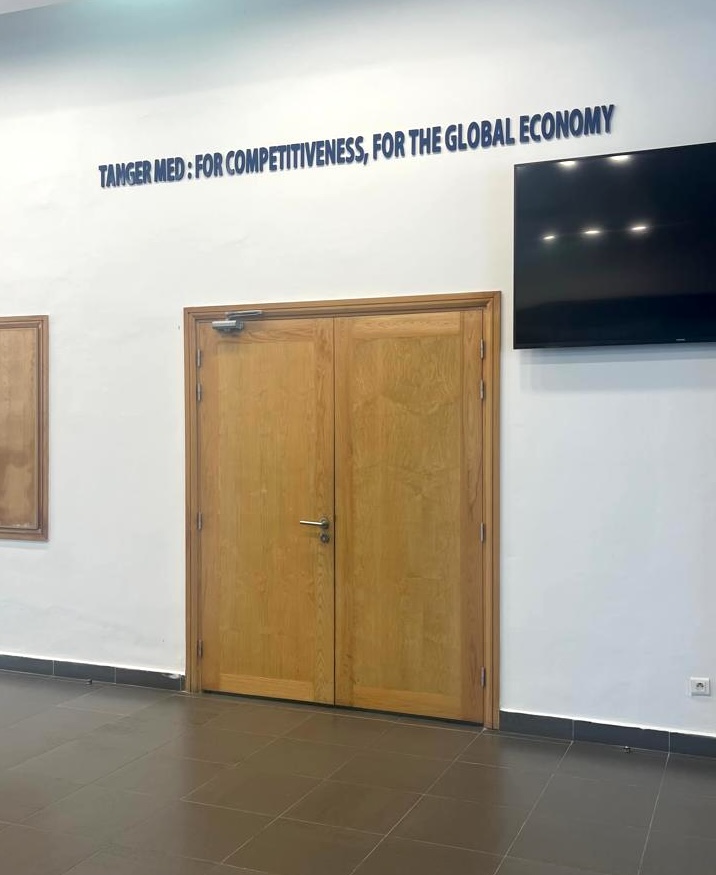
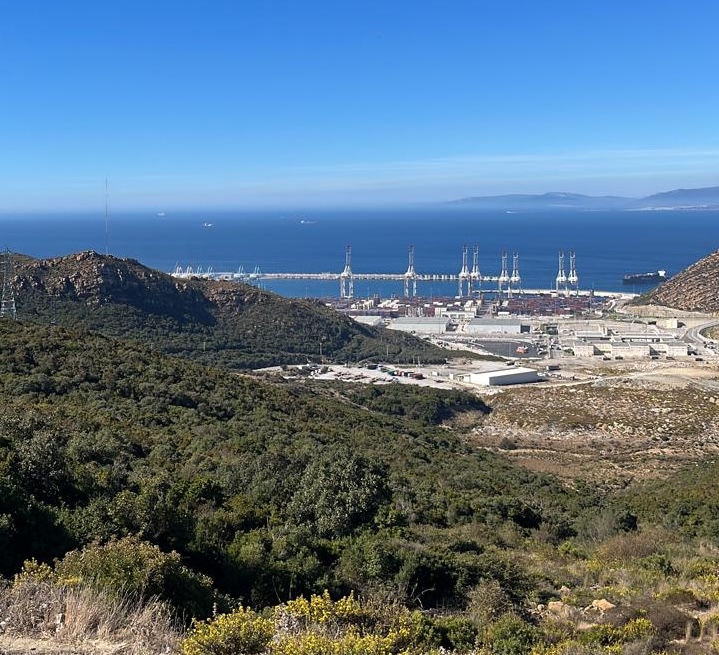
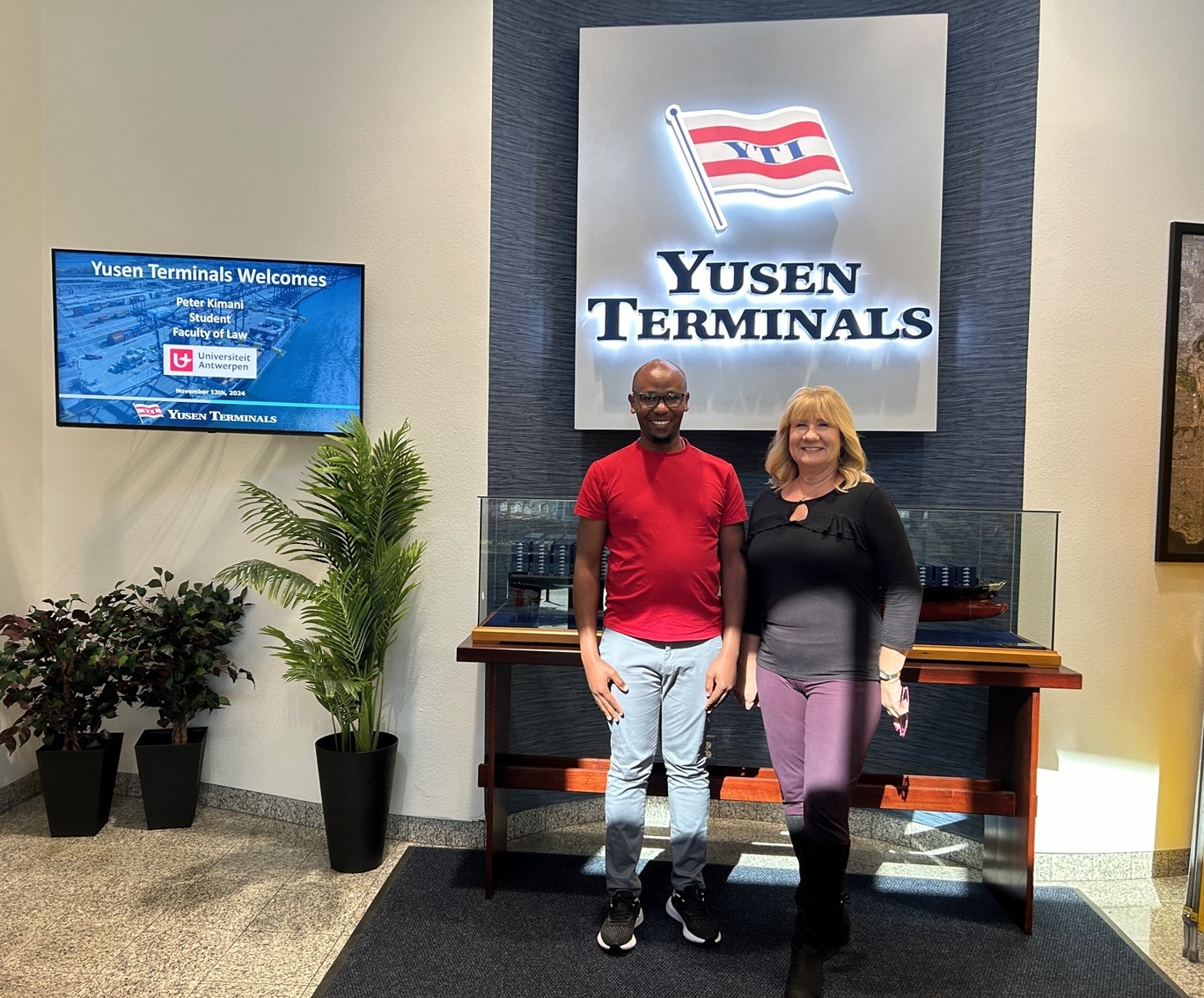
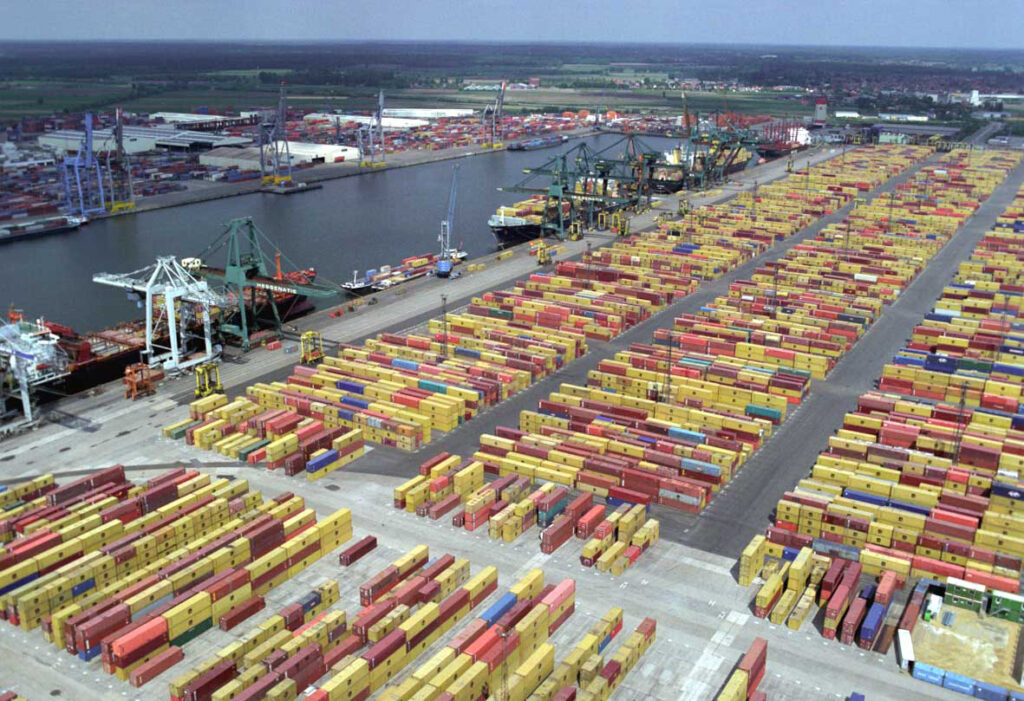
Learn more about ContainerHavens’ research sites
University of Antwerp
Faculty of Law and Institute of Development Policy (IOB)
Stadscampus – Gebouw V
Venusstraat 23
2000 Antwerp, Belgium
Research sites
Follow us
ContainerHavens 2026 | Disclaimer | Privacy policy | Cookie policy