
Cartagena y sus puertos: Cercanía física, distancia social
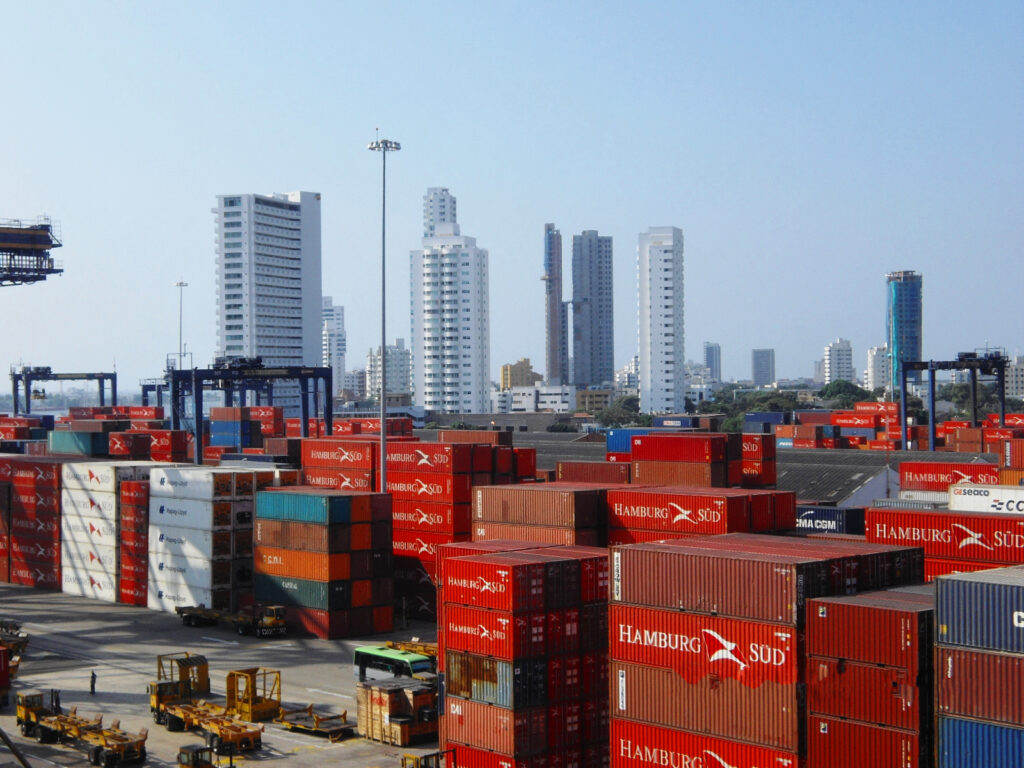
This blog post is also available in English. Cartagena de Indias es una ciudad profundamente marcada por el mar. Su historia, su economía y su identidad han estado ligadas durante siglos a la actividad marítima. En la actualidad, esta relación se materializa en uno de los sistemas portuarios más importantes de América Latina: el Puerto
Cartagena y sus puertos: Cercanía física, distancia social Read More »