containerhavens@gmail.com

Tanger Med, logistique globale et recompositions territoriales

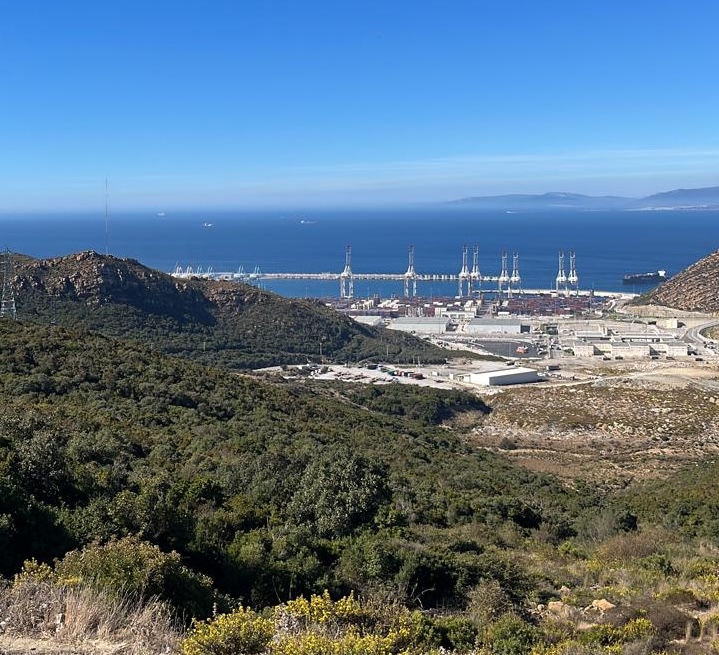
This blog post is also available in English. Organisée le 13 janvier 2026 dans le cadre du projet de recherche Research Foundation Flanders – FWO ContainerHaven University of Antwerp , la journée d’études intitulée « Regards croisés sur l’écosystème portuaire de Tanger » consacrée à l’écosystème de Tanger Med, accueillie par Think Tanger et soutenue par […]

Tanger Med, logistique globale et recompositions territoriales Read More »
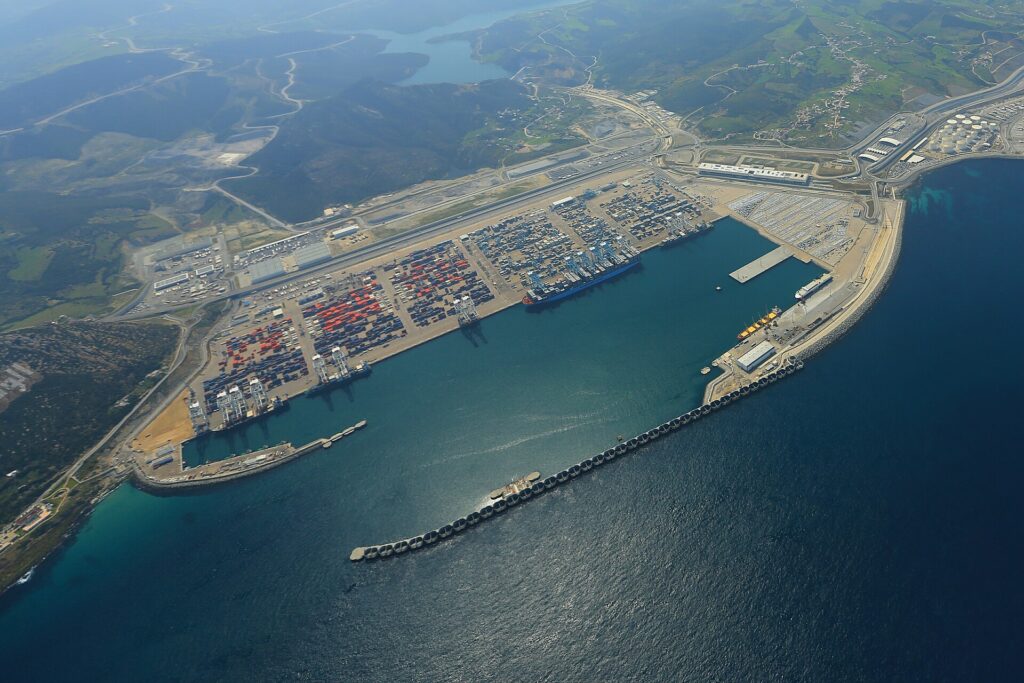
Tanger Med, global logistics and territorial recompositions

Cet article est également disponible en français. Organised on 13 January 2026 as part of the Research Foundation Flanders – FWO ContainerHaven research project at the University of Antwerp, the study day entitled “Cross-perspectives on the port ecosystem of Tangier” — devoted to the Tanger Med ecosystem, hosted by Think Tanger and supported by Beyond

Tanger Med, global logistics and territorial recompositions Read More »

Cartagena y sus puertos: Cercanía física, distancia social 

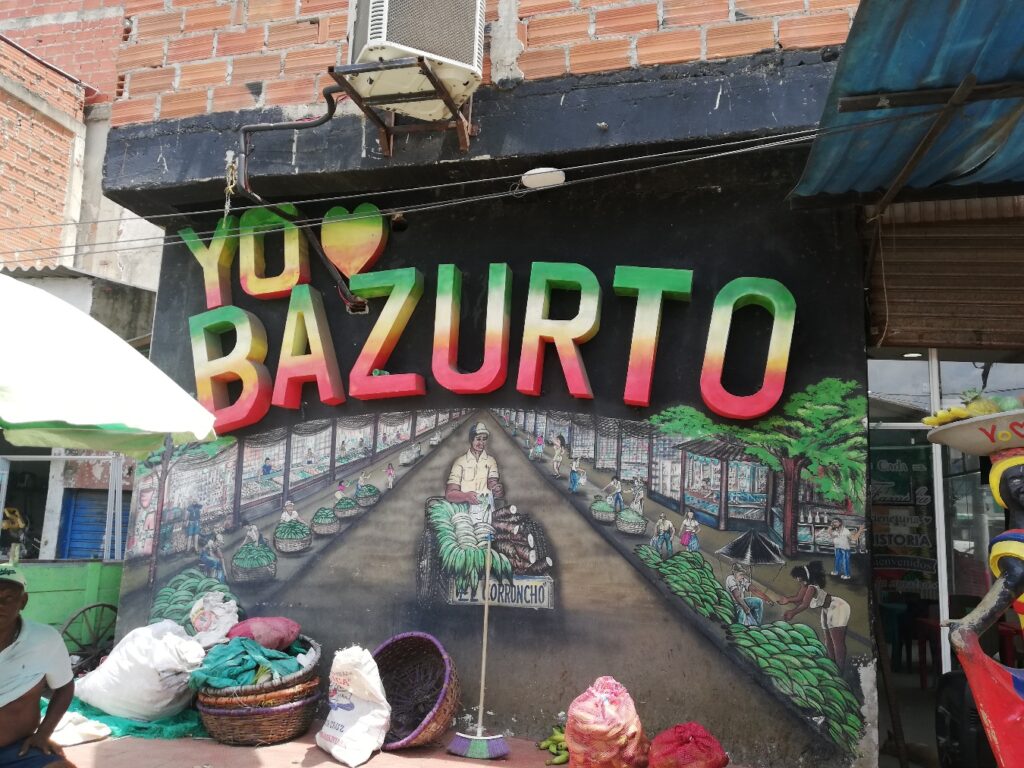
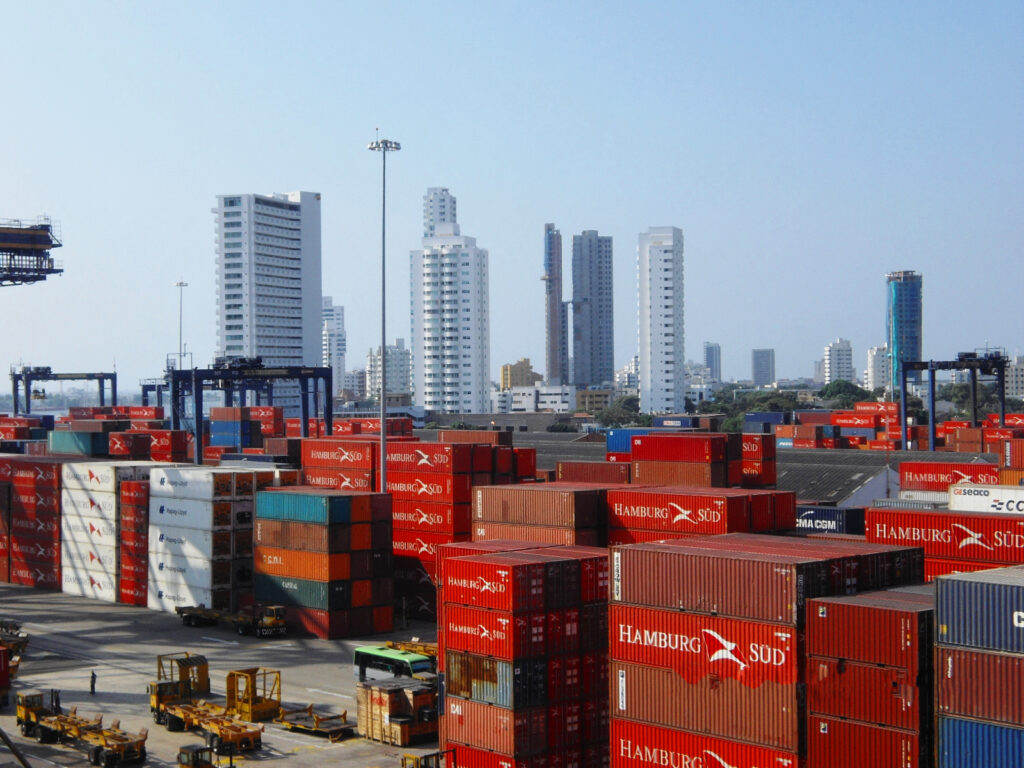
This blog post is also available in English. Cartagena de Indias es una ciudad profundamente marcada por el mar. Su historia, su economía y su identidad han estado ligadas durante siglos a la actividad marítima. En la actualidad, esta relación se materializa en uno de los sistemas portuarios más importantes de América Latina: el Puerto

Cartagena y sus puertos: Cercanía física, distancia social  Read More »

Cartagena and its Ports: Physical Proximity, Social Distance

Este artículo también está disponible en español. Cartagena de Indias is a city profoundly shaped by the sea. Its history, its economy and its identity have been tied to maritime activity for centuries. Today this relationship takes concrete form in one of the most important port systems in Latin America: the Port of Cartagena, a

Cartagena and its Ports: Physical Proximity, Social Distance Read More »

The automated port: Efficiency for whom?

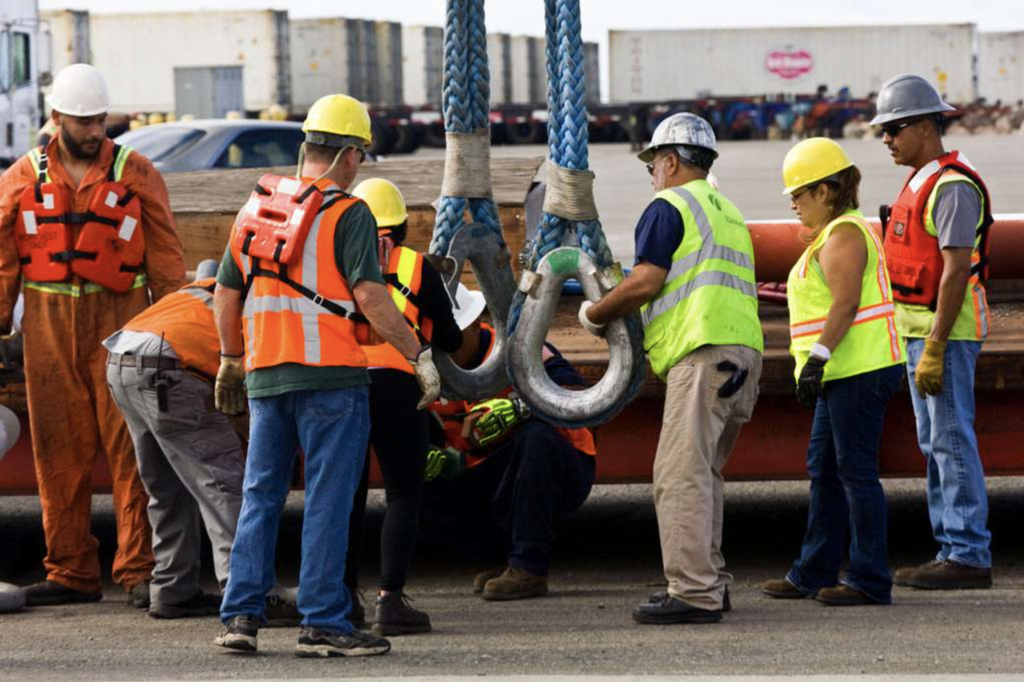
Port work has historically been labour intensive. Before the widespread adoption of containers, most cargo, except liquid and dry bulk, was handled as break-bulk, and (un)loaded piece by piece.1 This process was often labour-intensive, slow, and prone to cargo damage and workers’ injuries.  Containerisation in the 1960s revolutionised cargo handling and intermodal logistics.2 New infrastructure, like the gantry cranes that lifted and moved containers, transformed cargo operations. Standardised containers cut loading times, increased reliability, reduced

The automated port: Efficiency for whom? Read More »

The port is everywhere, but nowhere in court: PFAS, Antwerp, and the question of accountability 

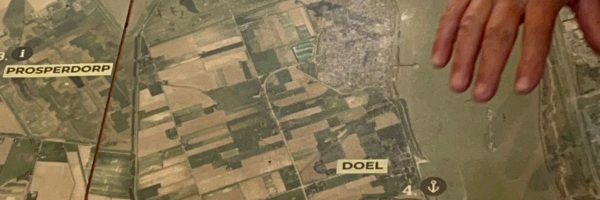
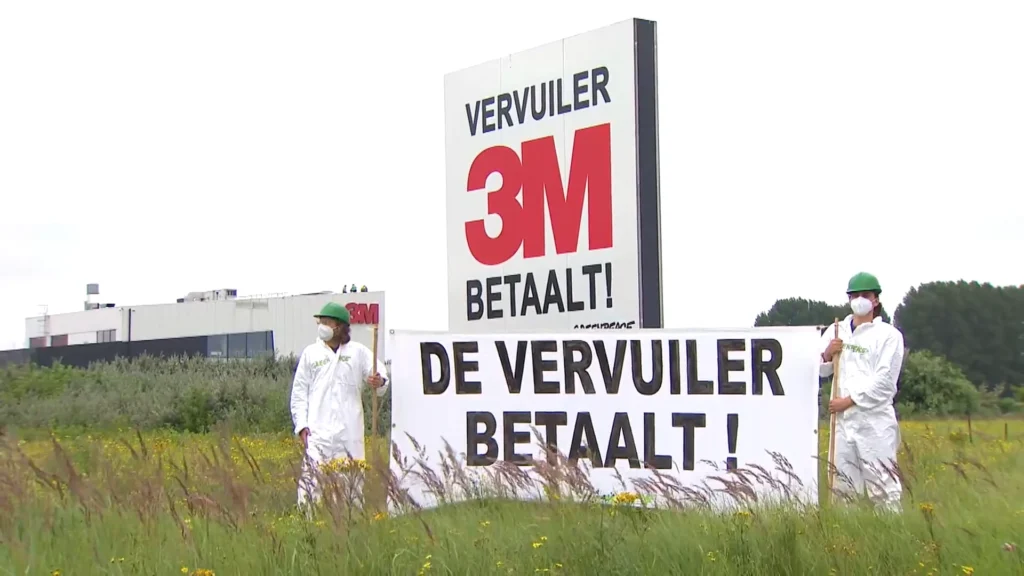
In 2017, Frank Van Houtte was trying to protect a nature reserve near his home in Boom, in the Rupel valley south of Antwerp, from a plan to dump 4.5 million cubic metres of construction soil into it. The soil was coming from Oosterweel, a major infrastructure project on the port of Antwerp-Bruges’s left bank designed to extend the

The port is everywhere, but nowhere in court: PFAS, Antwerp, and the question of accountability  Read More »

 The (Il)logic of Port Competitiveness: Labour, Environment and Community Struggles in Antwerp and Beyond

The (il)logic driving container port competitiveness across the world is consistent: growth is pursued at all costs, operations are increasingly concentrated and fragile, and the benefits and burdens are unevenly distributed. While profits arising from these transformations are mostly privatised, costs are externalised onto workers, communities, the environment, public health, and public budgets. The geography of injustices this generates is not accidental, it is embedded within the systematic logic of the just-in-time, of uneven trade relationships, and of the intensification of transnational production and consumption. 

 The (Il)logic of Port Competitiveness: Labour, Environment and Community Struggles in Antwerp and Beyond Read More »

Workshop: Contestation and Resistance in Ports

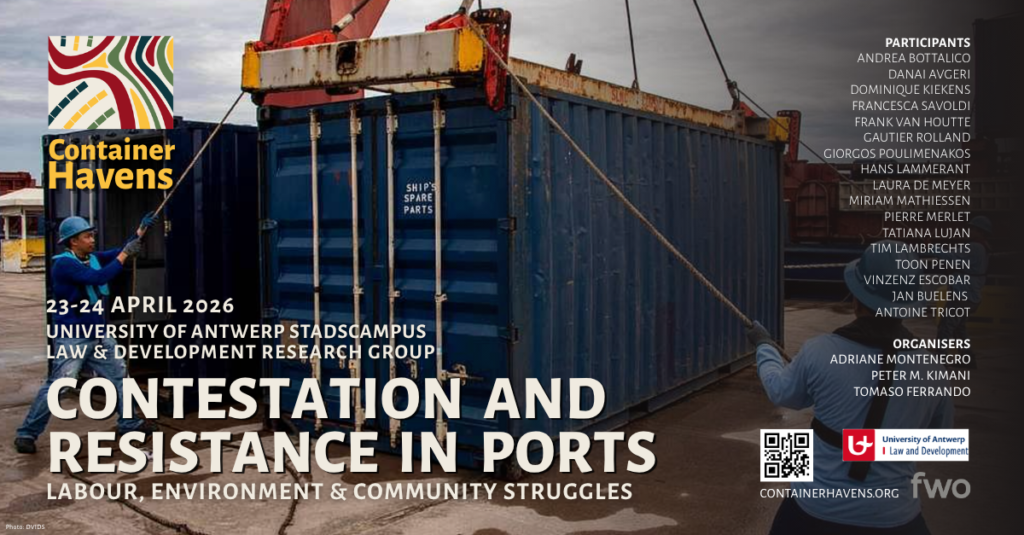
On 23–24 April 2026, ContainerHavens hosts its first workshop at the University of Antwerp Stadscampus. Contestation and Resistance in Ports: Labour, Environment & Community Struggles brings together researchers and practitioners to examine port spaces as sites of conflict and collective action. A report back from the workshop will be published on this website and on

Workshop: Contestation and Resistance in Ports Read More »