The (il)logic driving container port competitiveness across the world is consistent: growth is pursued at all costs, operations are increasingly concentrated and fragile, and the benefits and burdens are unevenly distributed. While profits arising from these transformations are mostly privatised, costs are externalised onto workers, communities, the environment, public health, and public budgets. The geography of injustices this generates is not accidental, it is embedded within the systematic logic of the just-in-time, of uneven trade relationships, and of the intensification of transnational production and consumption.
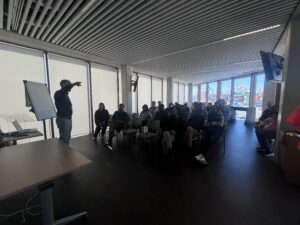
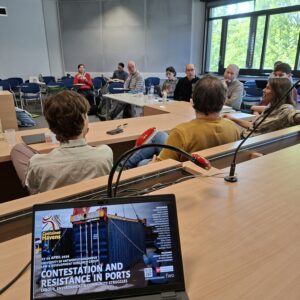
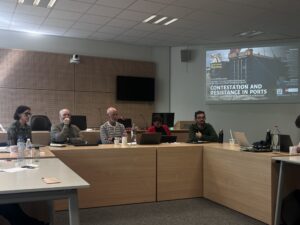
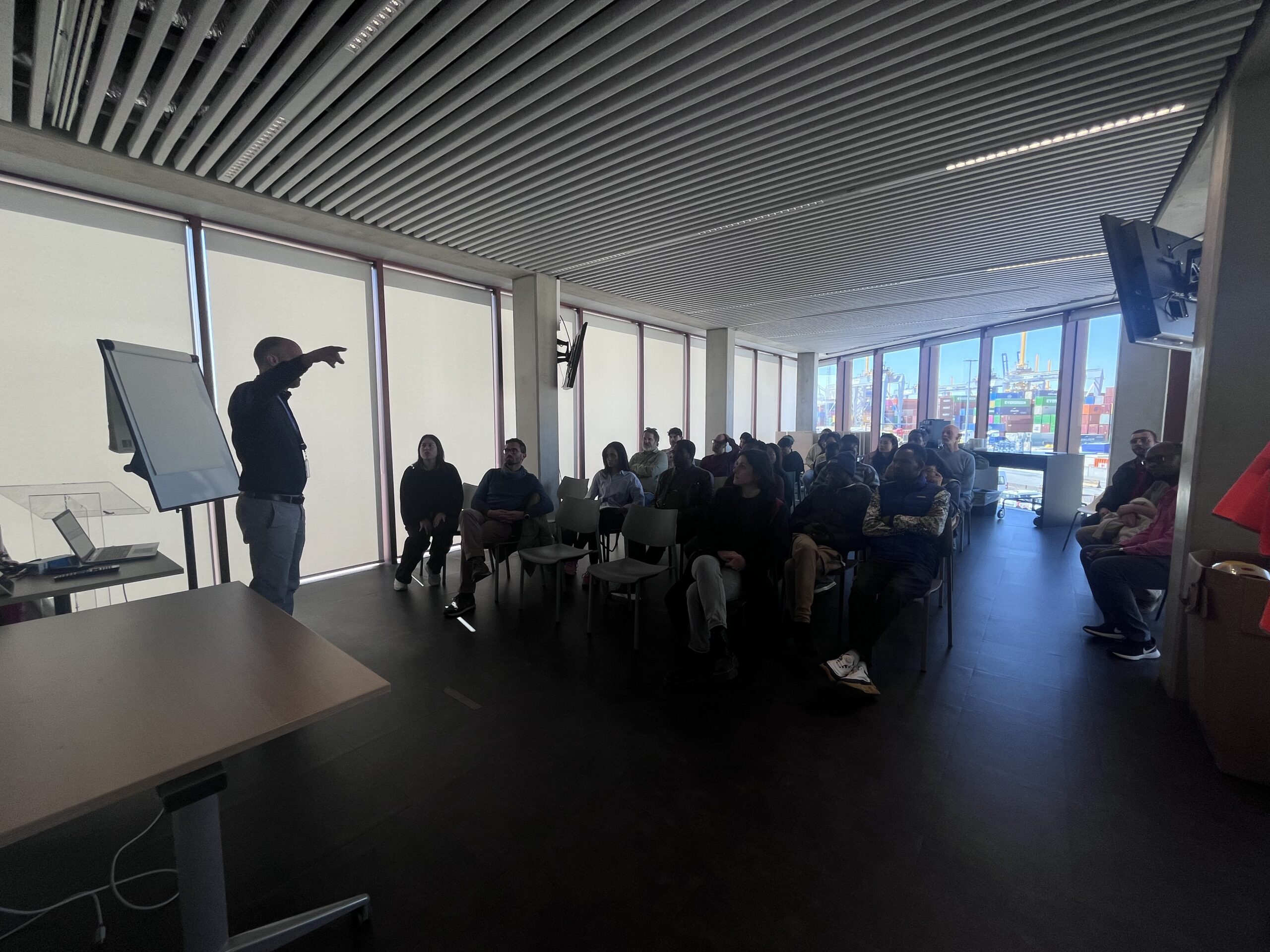
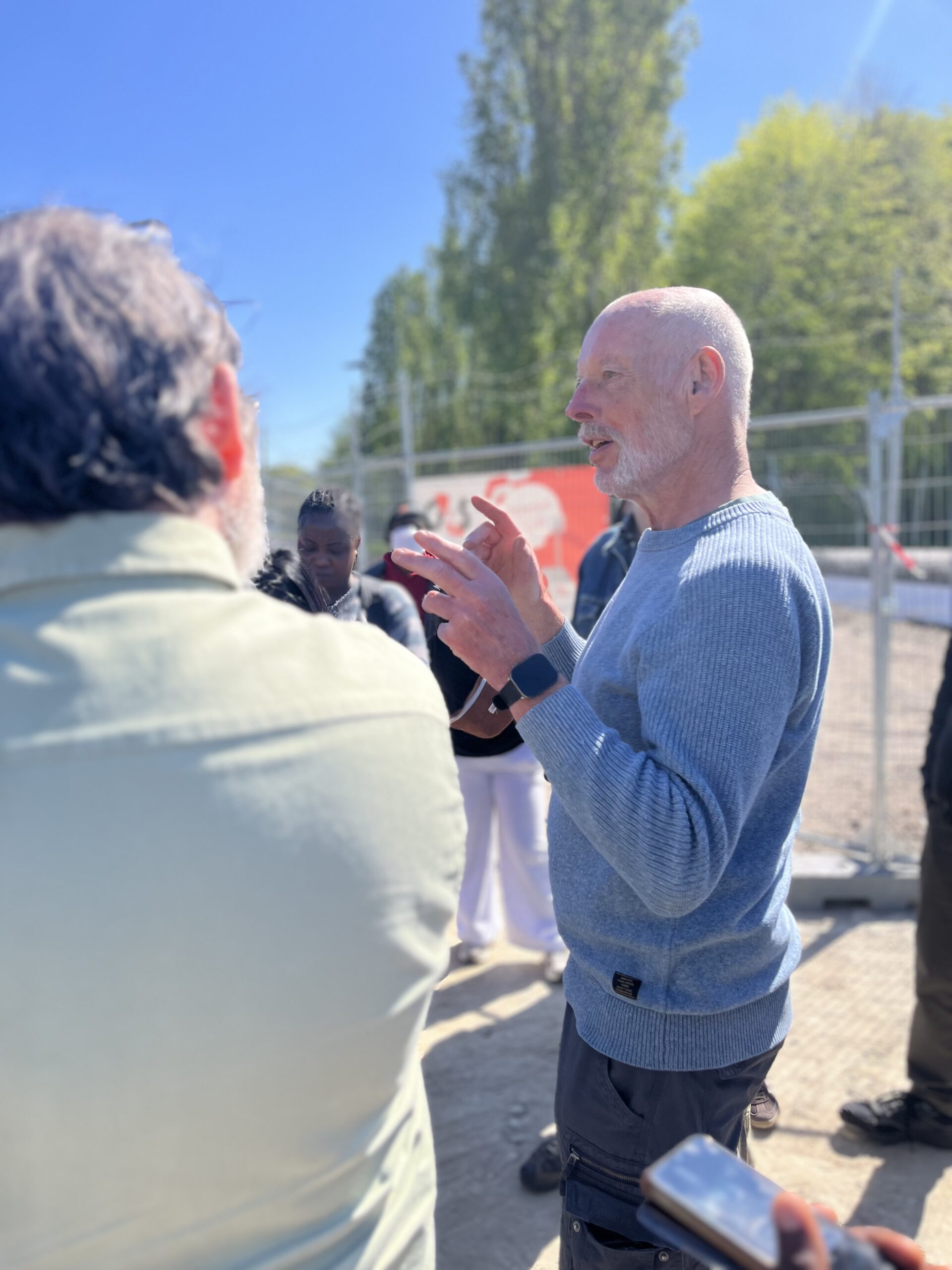
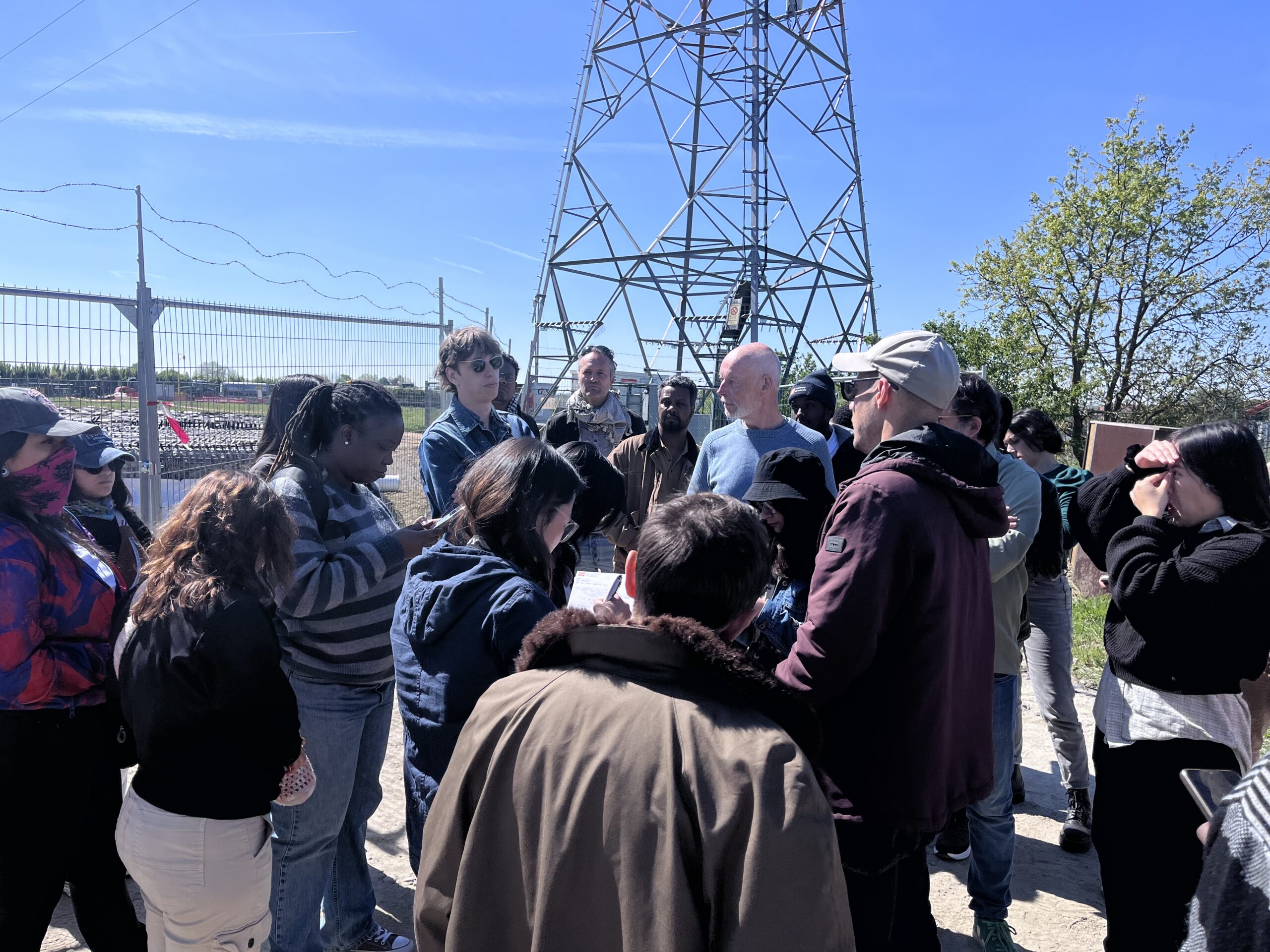
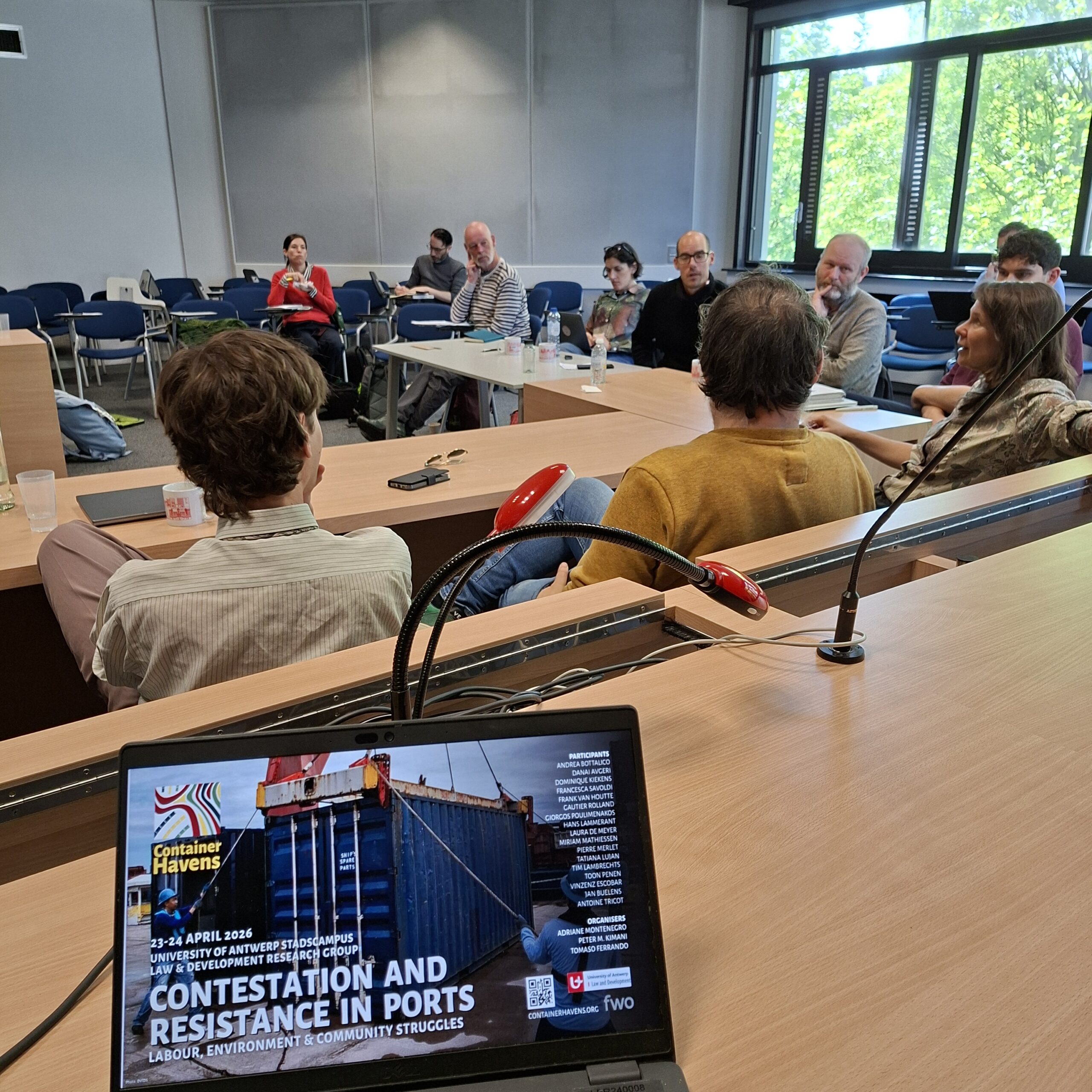
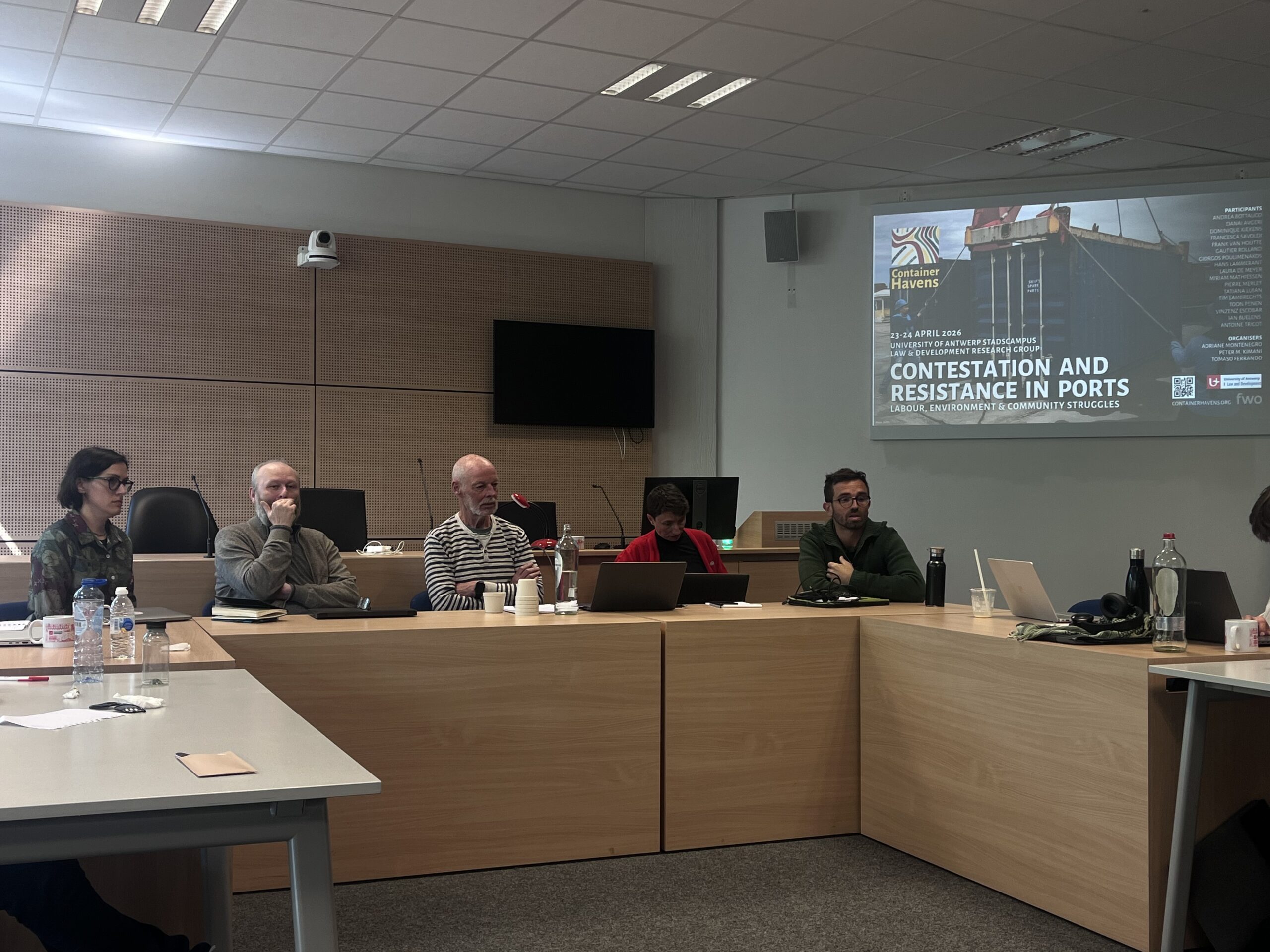
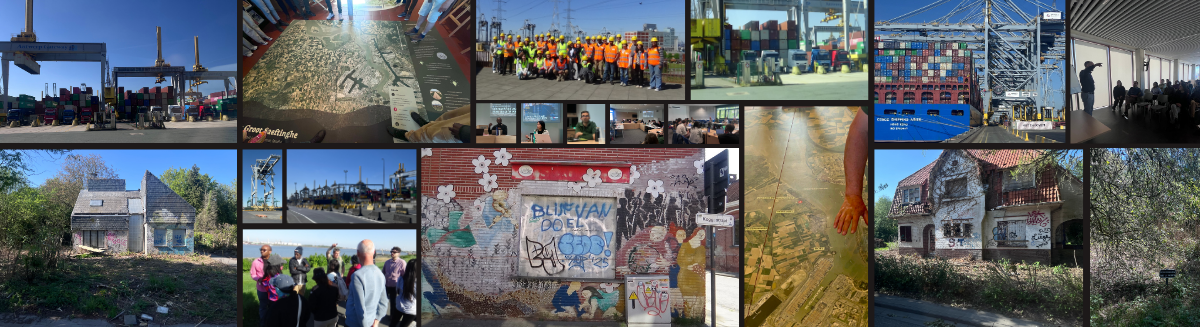
On 23 and 24 April 2026, the ContainerHavens workshop on “Contestation and Resistance in Ports: Labour, Environment and Community Struggles” brought researchers, civil society organizations, lawyers, academics and students together in the University of Antwerp for two days of field visits and debates.
The conversations moved between port labour fragmentation and automation, PFAS contamination and petrochemical expansion, the logistics of arms shipments, the shadow fleet, collective bargaining and workers’ invisibility in the law, the role of litigation and direct action in building resistance, and the question of what a just transition actually looks like for the people who live and work in port areas. Running through all of it: who does research serve, and how can academia actually contribute to present struggles and the imagination of alternative futures?
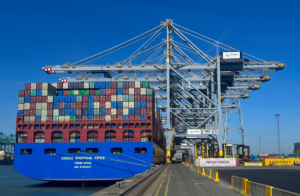
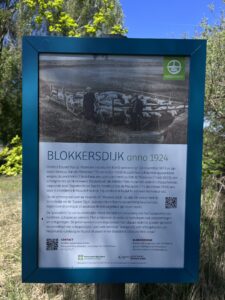
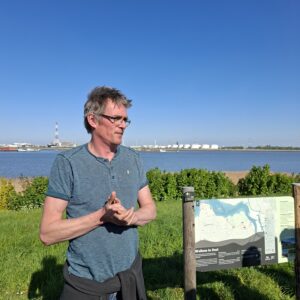
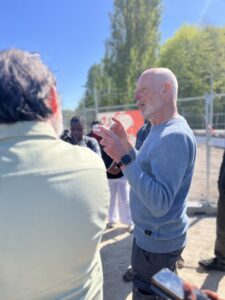
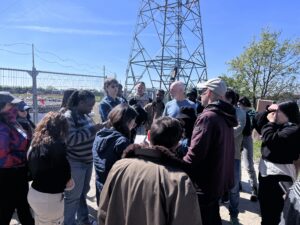
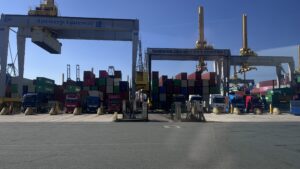
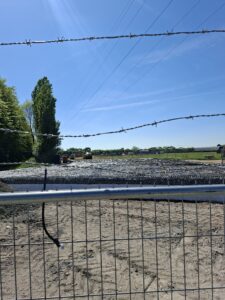
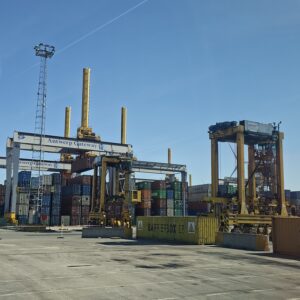
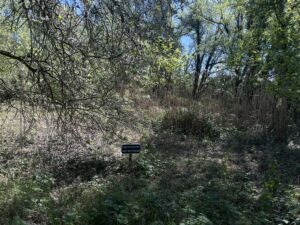
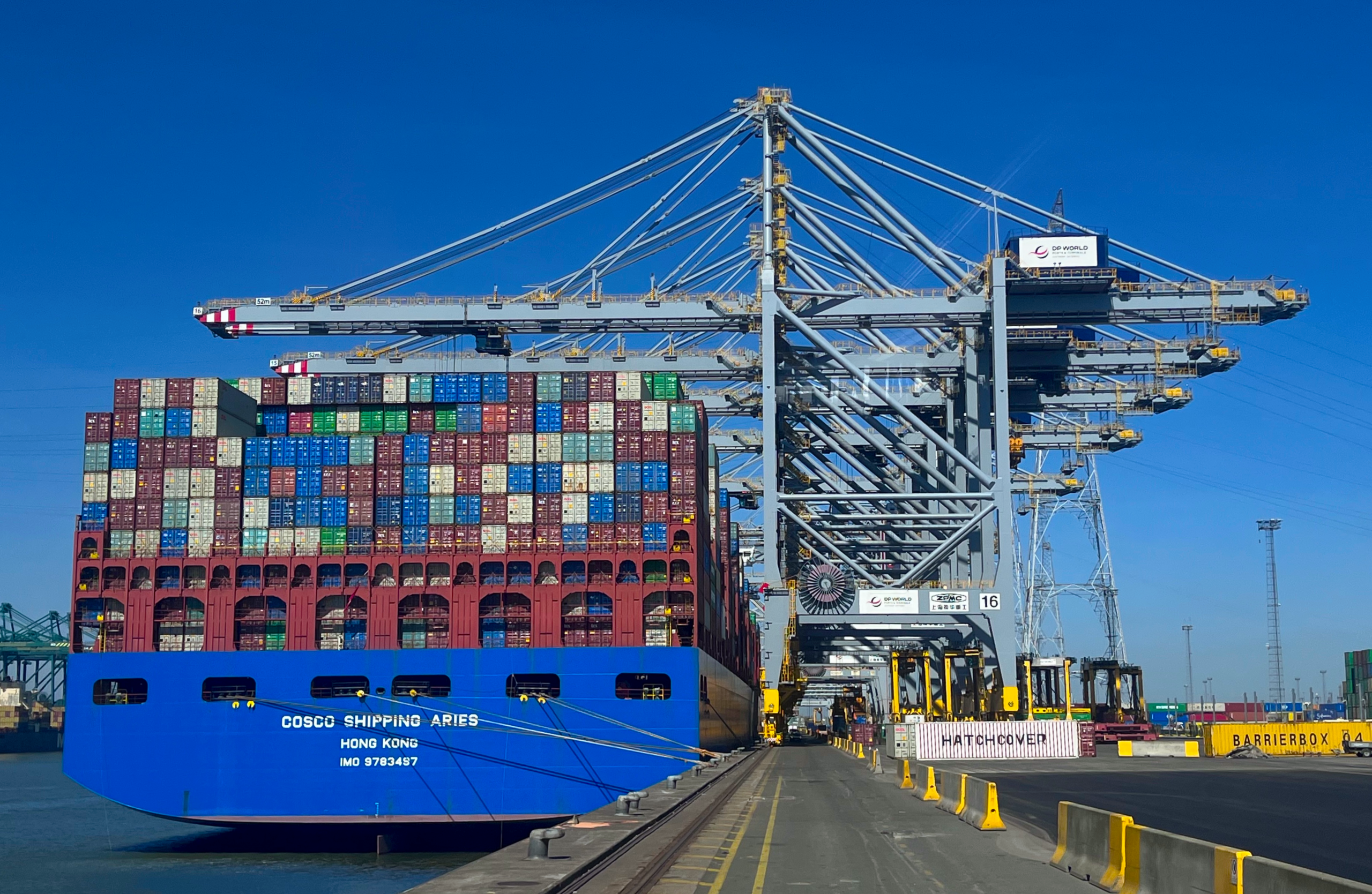
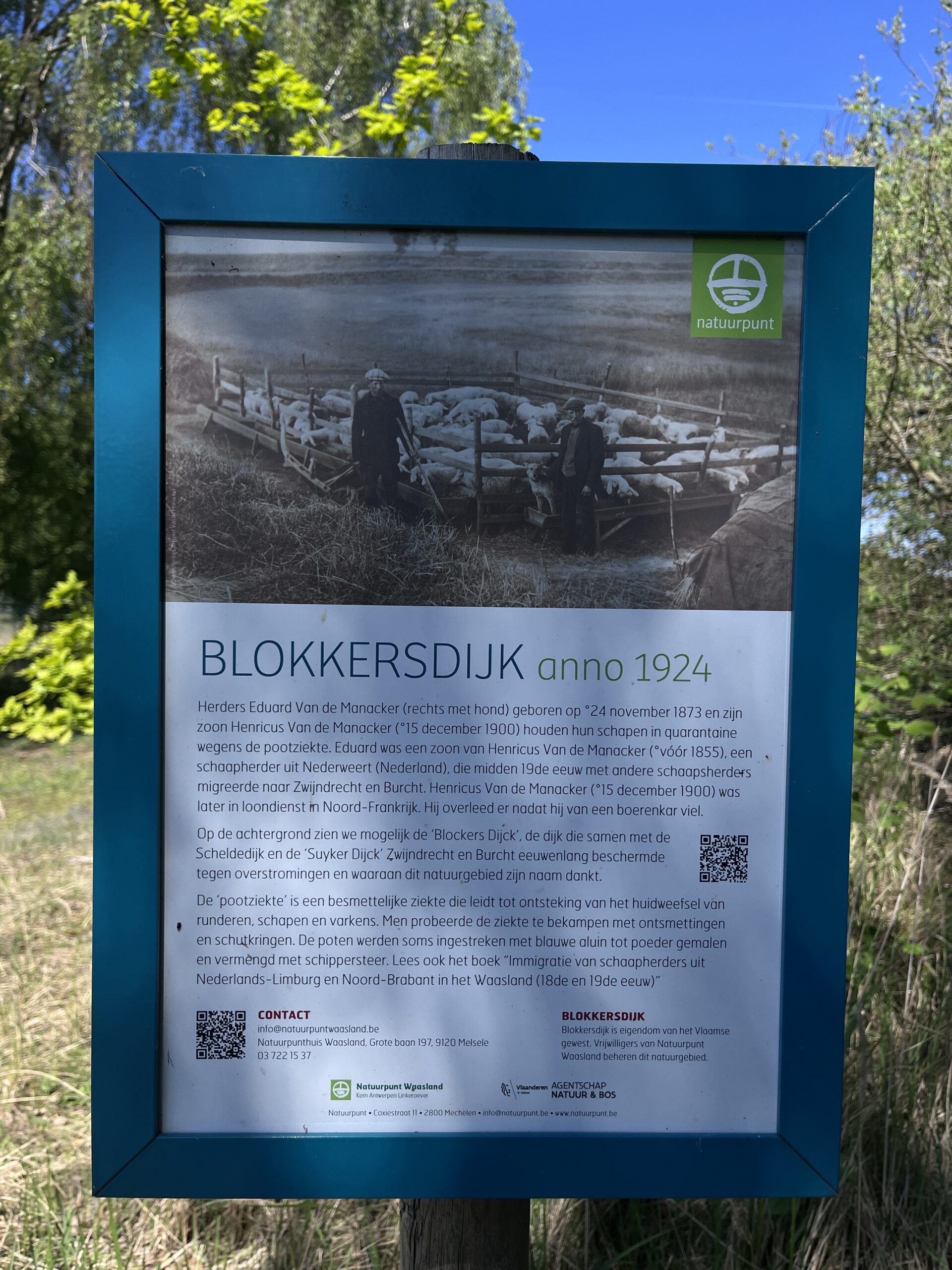
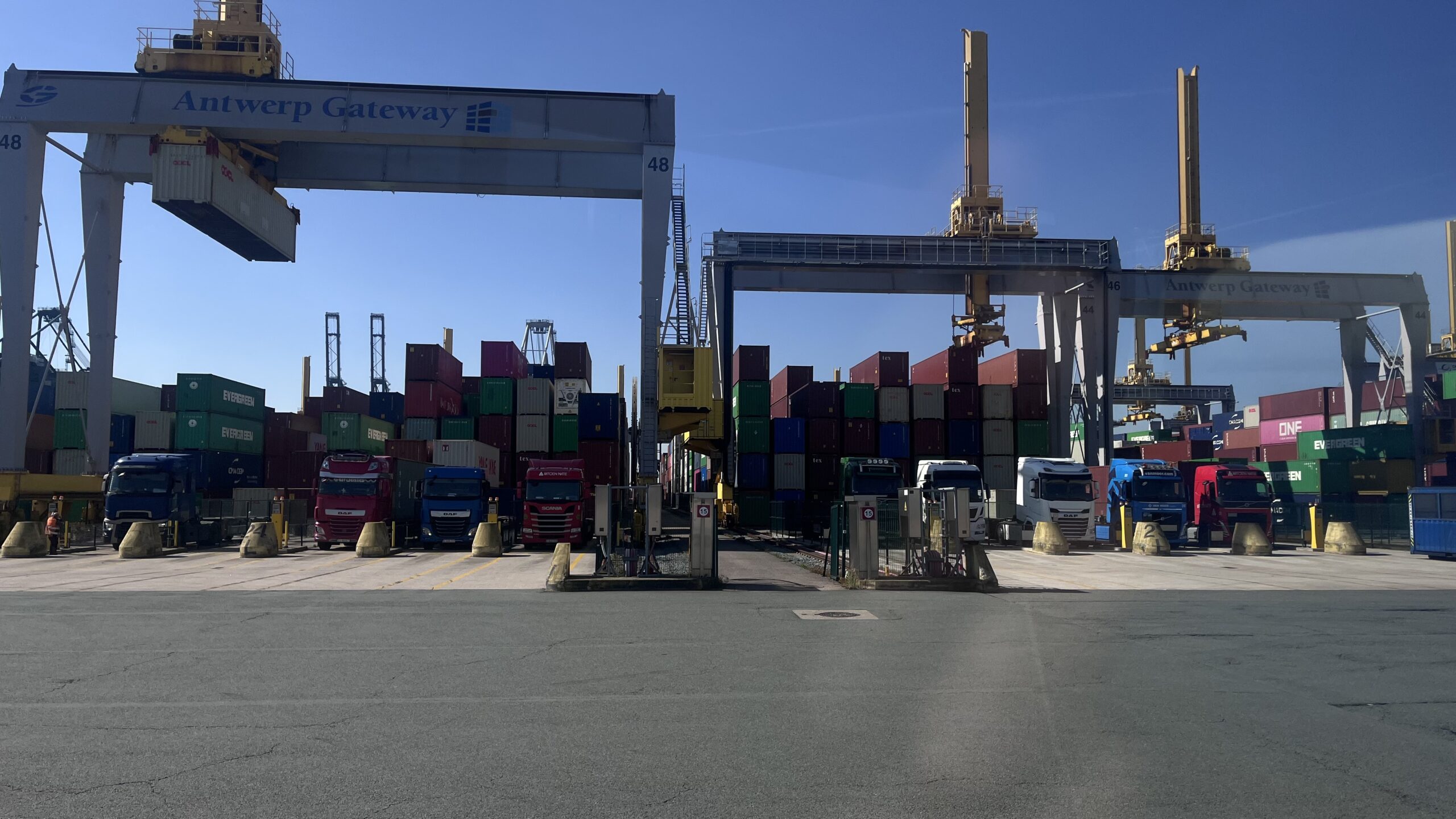
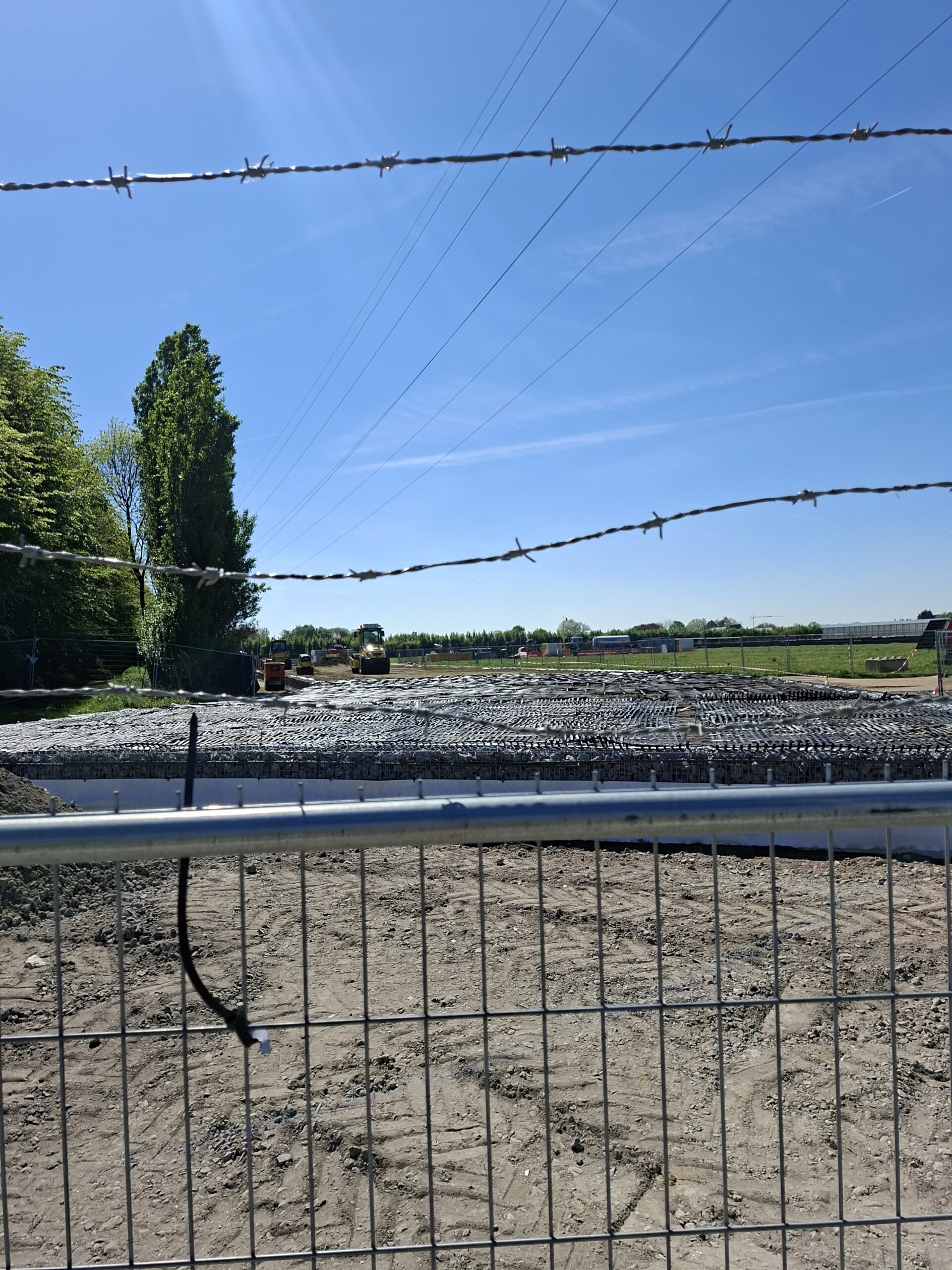
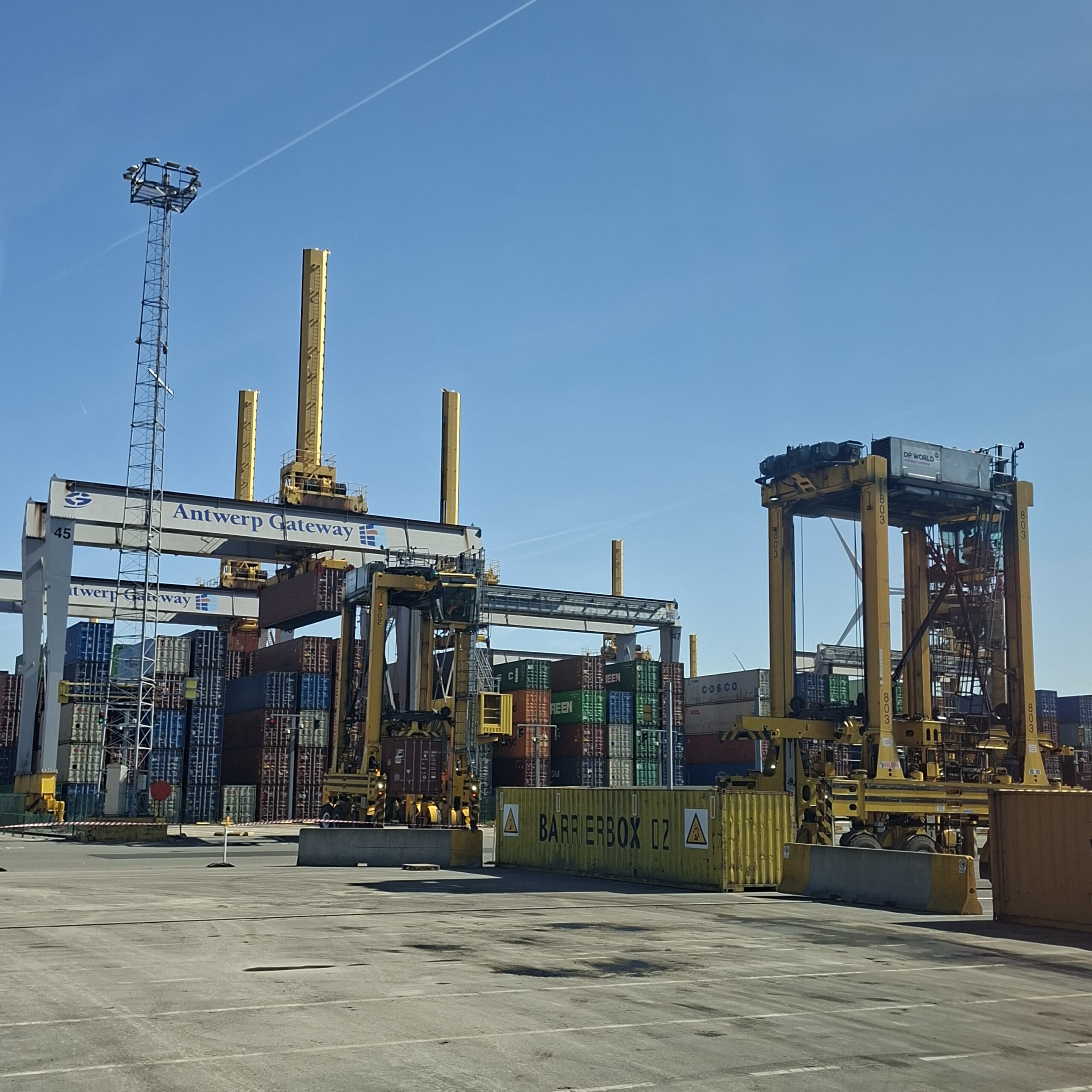
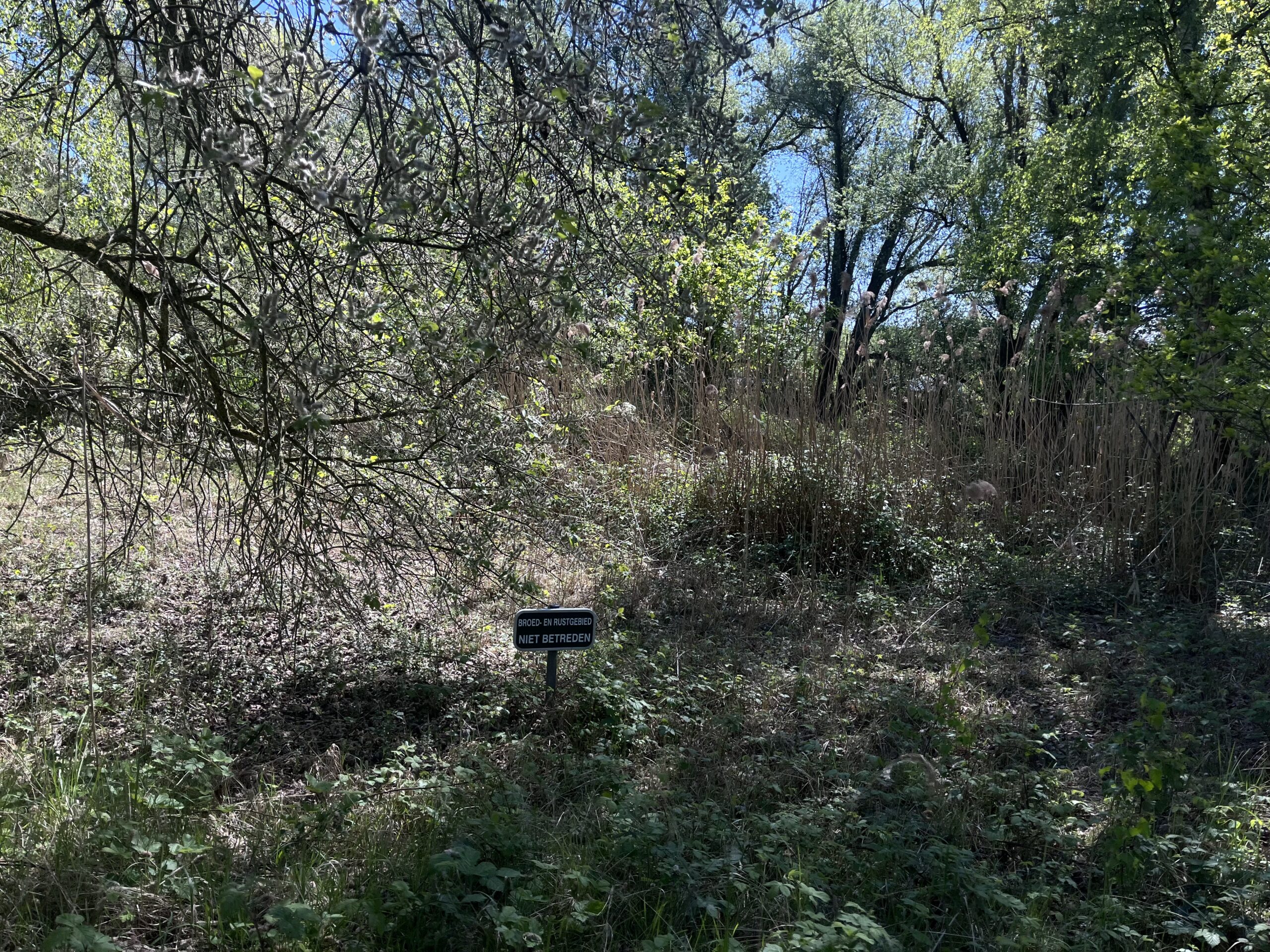
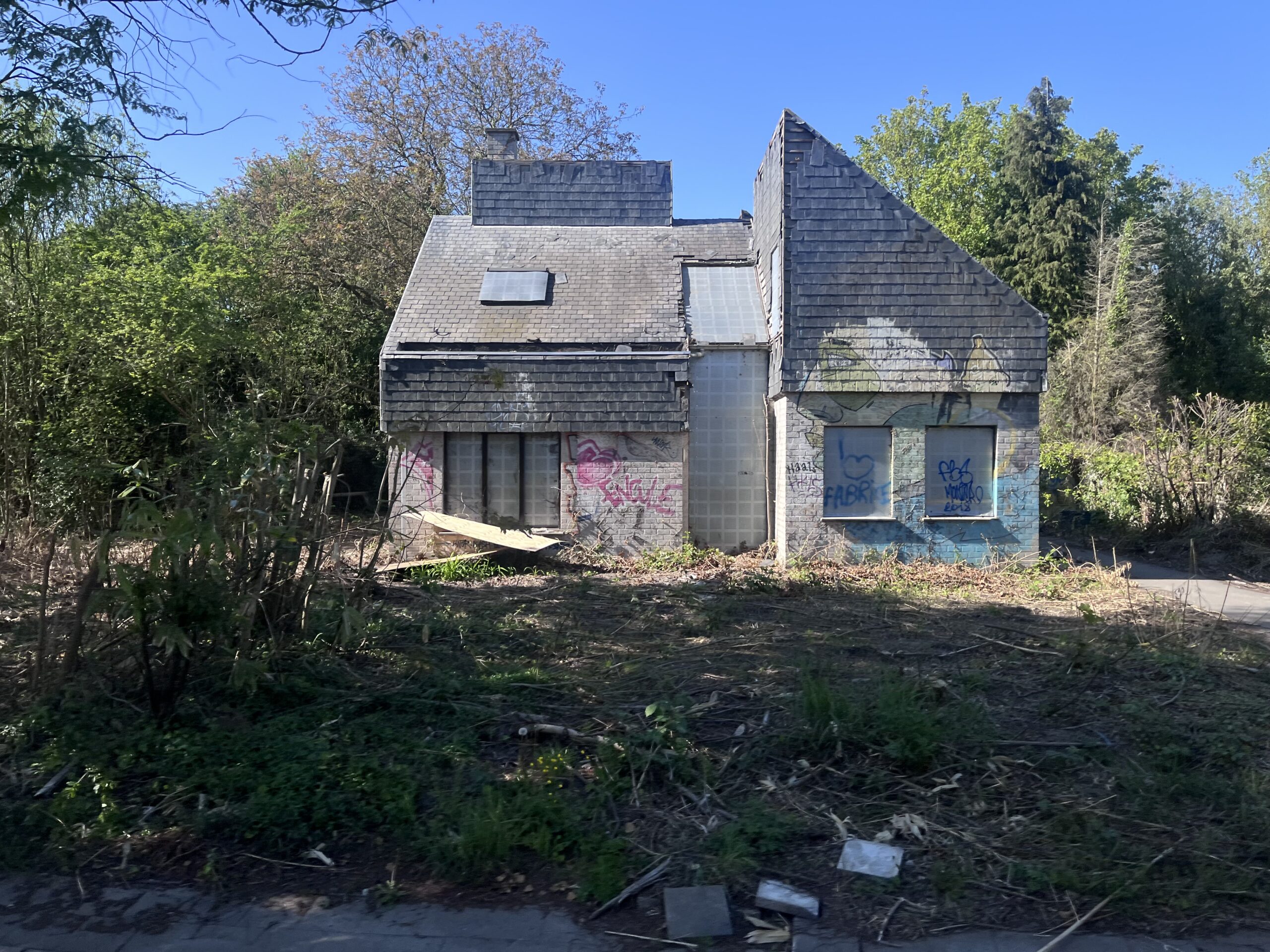
On the first day of the workshop, we visited sites affected by some of the world’s most acute PFAS contamination, affecting both natural reserves (Blokkersdijk) and human settlements (Zwijndrecht). We toured the DP World’s Antwerp Gateway terminal where we learned about the material implications of efficiency, competition, workers classification, and naval gigantism.
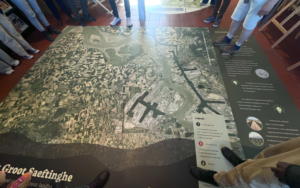
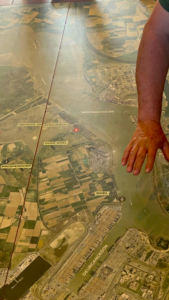
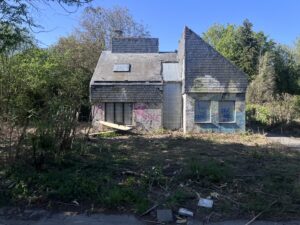
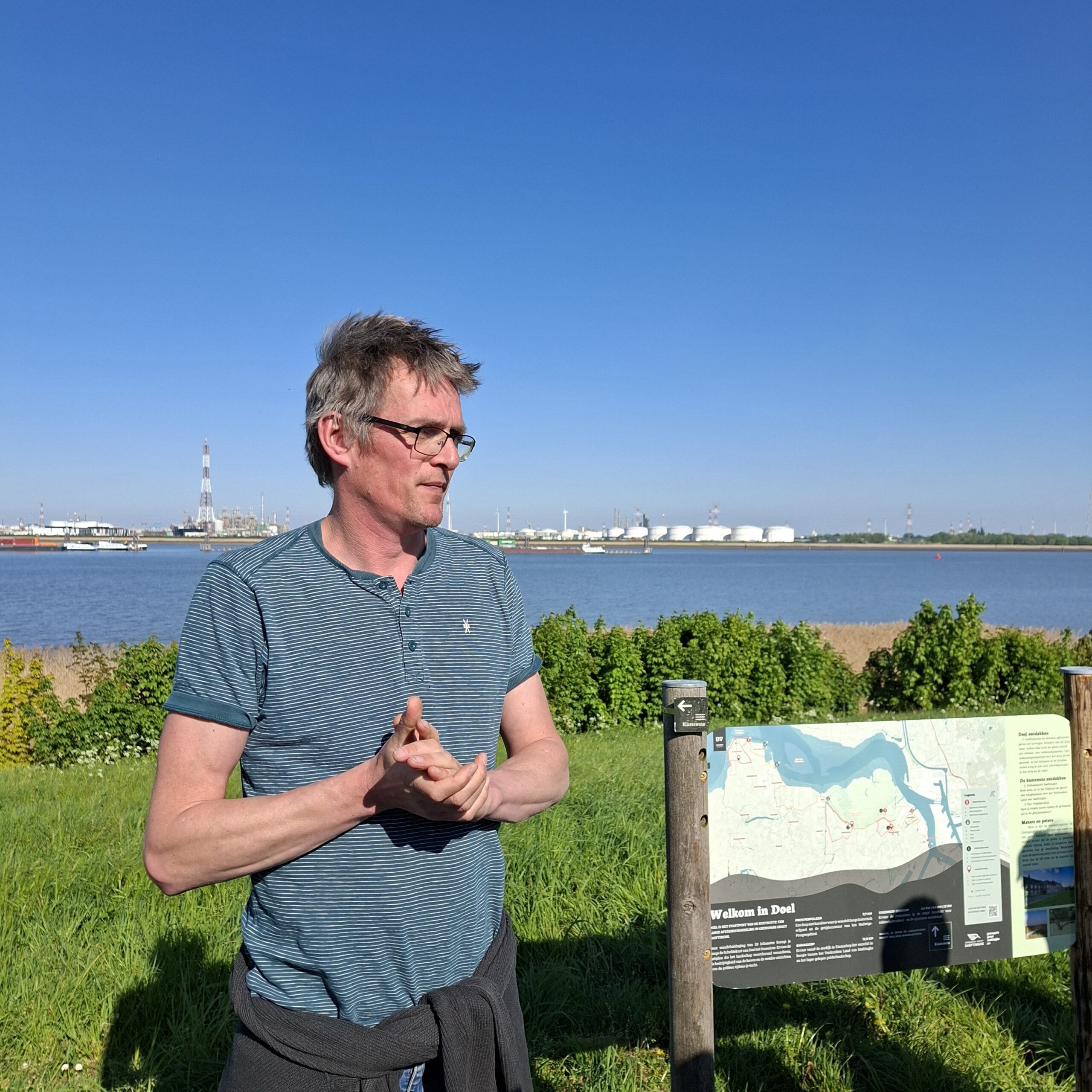
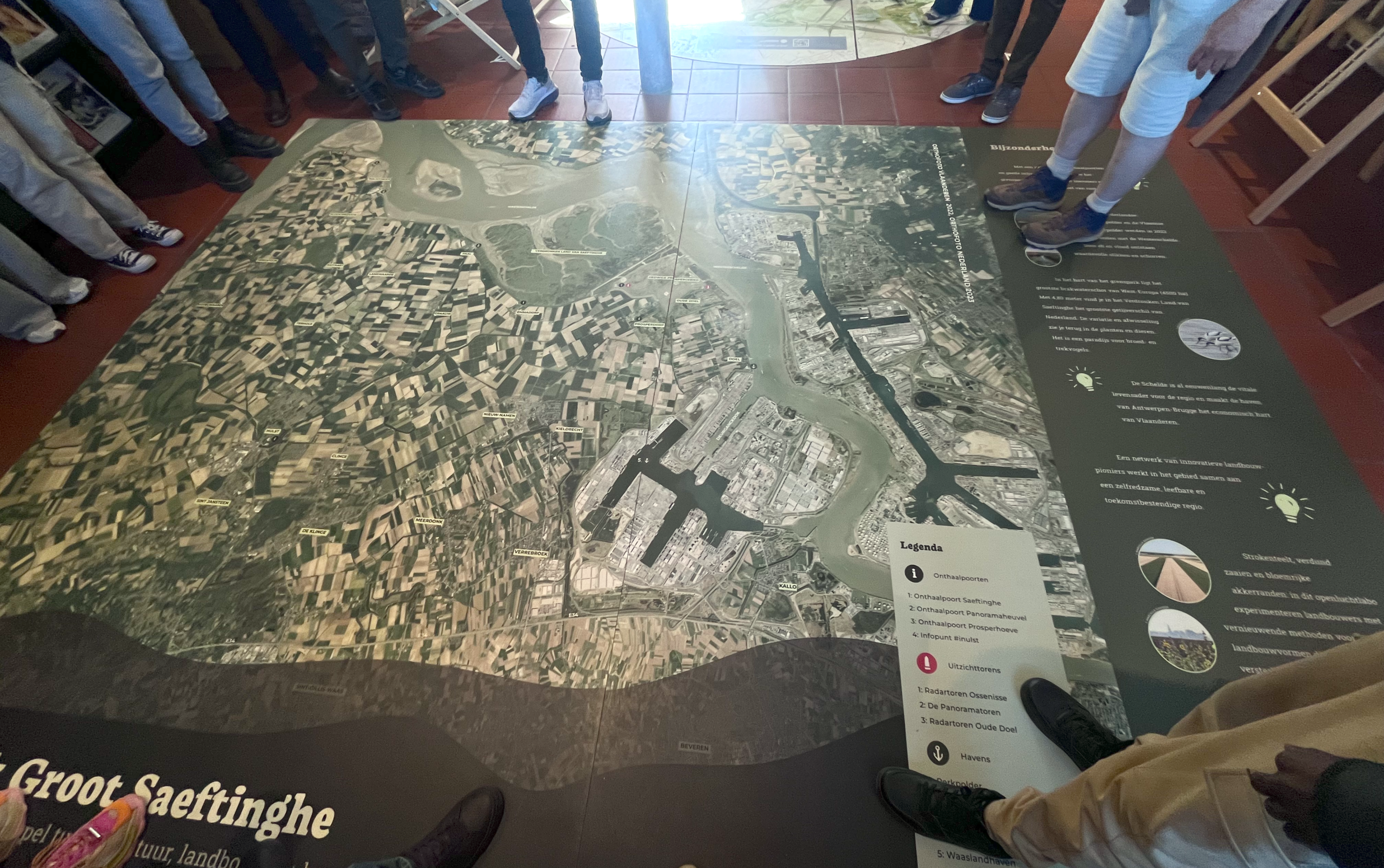
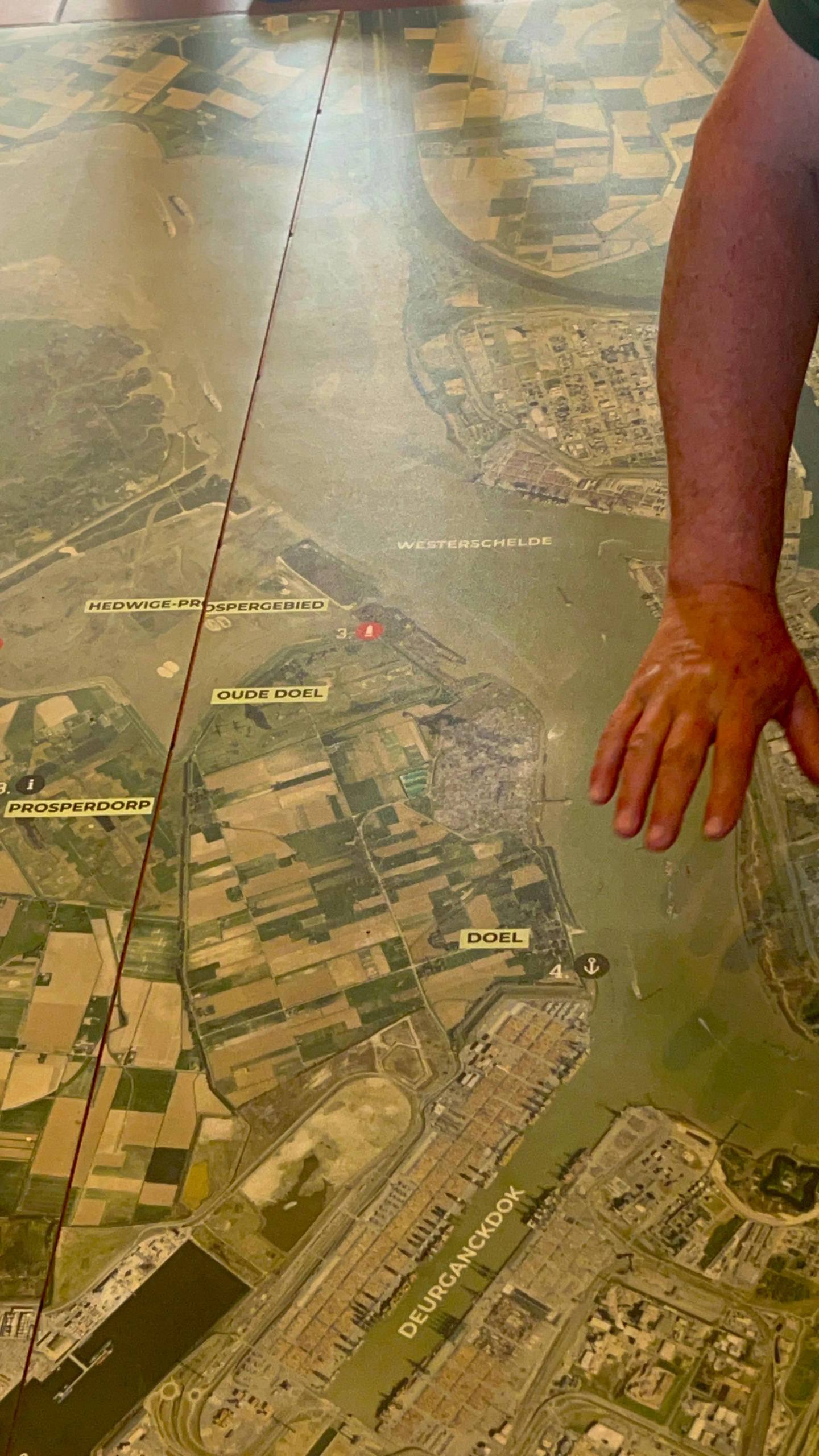
Finally, we visited the village of Doel, which for decades has been threatened by the port expansion and the construction of a new dock, but nevertheless persists through art and multiple actions of legal and political resistance. We heard from people who perceive the port as much more than just a space of commercial transaction. We moved through areas that are formally outside the port’s perimeter, but clearly impacted by its operations and aspirations. Both people and places have been struggling against the tangible implications of global trade and the effects of port expansion.
The (il)logic driving container port competitiveness across the world is consistent: growth is pursued at all costs, operations are increasingly concentrated and fragile, and the benefits and burdens are unevenly distributed. While profits arising from these transformations are mostly privatised, costs are externalised onto workers, communities, the environment, public health, and public budgets. The geography of injustices this generates is not accidental, it is embedded within the systematic logic of the just-in-time, of uneven trade relationships, and of the intensification of transnational production and consumption.
On 23 and 24 April 2026, the ContainerHavens workshop on “Contestation and Resistance in Ports: Labour, Environment and Community Struggles” brought researchers, civil society organizations, lawyers, academics and students together in the University of Antwerp for two days of field visits and debates.
The conversations moved between port labour fragmentation and automation, PFAS contamination and petrochemical expansion, the logistics of arms shipments, the shadow fleet, collective bargaining and workers’ invisibility in the law, the role of litigation and direct action in building resistance, and the question of what a just transition actually looks like for the people who live and work in port areas. Running through all of it: who does research serve, and how can academia actually contribute to present struggles and the imagination of alternative futures?
On the first day of the workshop, we visited sites affected by some of the world’s most acute PFAS contamination, affecting both natural reserves (Blokkersdijk) and human settlements (Zwijndrecht). We toured the DP World’s Antwerp Gateway terminal where we learned about the material implications of efficiency, competition, workers classification, and naval gigantism.
Finally, we visited the village of Doel, which for decades has been threatened by the port expansion and the construction of a new dock, but nevertheless persists through art and multiple actions of legal and political resistance. We heard from people who perceive the port as much more than just a space of commercial transaction. We moved through areas that are formally outside the port’s perimeter, but clearly impacted by its operations and aspirations. Both people and places have been struggling against the tangible implications of global trade and the effects of port expansion. Courts, media, docks, neighbourhoods and ecological processes are forms of resistance that often interact among themselves, and that are kept together by the port as a key component of the socio-ecological texture of the region.
What we observed firsthand in Antwerp is far from an isolated case. Across the globe, port expansions follow similar patterns of growth paired with uneven distribution, even if each context has its own specificities. In Tangier, Morocco, port expansion is driven by competitiveness transforming what was once agricultural land, without meaningful engagement with local communities, with the port operating as an enclave largely detached from its surroundings. In Cartagena, Colombia, the environmental impacts of port operations increasingly threaten the livelihoods of fishermen and Afro-descendant communities, without the State providing viable alternatives or recognizing the cultural, social, and identity-based significance of these livelihoods and practices.
In Shanghai, China, there is a relentless drive for competitiveness and efficiency which is reflected in the ongoing automation of port terminals. This has resulted in the reorganization and fragmentation of port labour, which has significant implications for unionization and collective solidarity actions. In San Pedro Bay port complex, United States, despite governmental efforts to mitigate the socio-environmental impacts of port activities through Clean Air Action Plan and Clean Trucks Program, port operators continue to externalize their environmental and social costs to the nearby racialized and working-class communities. This has deepened the divide between those who benefit from port expansion and those who bear the environmental consequences.
These ports are not only connected by the flow of goods, commodities and labor. Likewise, they are connected through forms of resistance be they legal, political, or everyday that insist on a more just and livable future.
The FWO ContainerHavens project engages with these local and translocal connections and does not treat law as a mere regulatory power that intervenes in existing dynamics. Rather, we critically examine how legal frameworks shape and contribute to sustaining these dynamics, and how they might be rethought to better reflect and account for the on-the-ground realities of workers, communities, as well as the environment conditions they share.
This workshop is part of the FWO #ContainerHavens project, which examines the socio-ecological impacts of five of the world’s largest container ports:
Antwerp-Bruges, Cartagena, San Pedro Bay, Shanghai, and Tangier.
Follow #ContainerHavens on LinkedIn
This workshop is part of the FWO #ContainerHavens project, which examines the socio-ecological impacts of five of the world’s largest container ports:
Antwerp-Bruges, Cartagena, San Pedro Bay, Shanghai, and Tangier.
Follow #ContainerHavens on LinkedIn
University of Antwerp
Faculty of Law and Institute of Development Policy (IOB)
Stadscampus – Gebouw V
Venusstraat 23
2000 Antwerp, Belgium